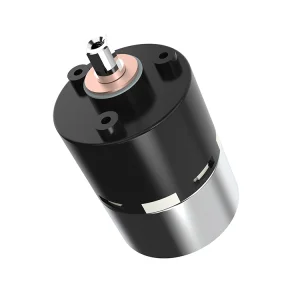
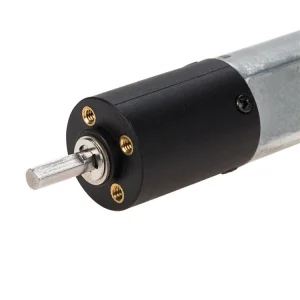
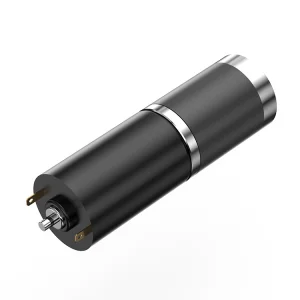
In the modern manufacturing landscape, industrial automation, medical robotics, smart home applications, and precision mechanical instrumentation demand highly integrated gear system designs. When design spaces shrink but torque requirements increase, standard single-stage gearheads fail to deliver appropriate reduction ratios without sacrificing speed characteristics. The solution lies in advanced dual-stage reduction gearboxes.
As a leading Chinese designer and exporter of micro motors and custom high-torque gearboxes, Lahabra Motors Precision Industry Technology Co., Ltd. is positioned at the intersection of engineering innovation and manufacturing scale. By managing every stage of production—from mold design to final validation—we resolve the common compromises between output torque, noise signatures, rotational backlash, and operating lifespan.
Mature production methods ensuring highly repeatable, micron-level accuracy across high-volume production batches.
Rapid engineering of output speed, reduction ratios, materials, input shafts, and physical dimensions tailored to your application envelope.
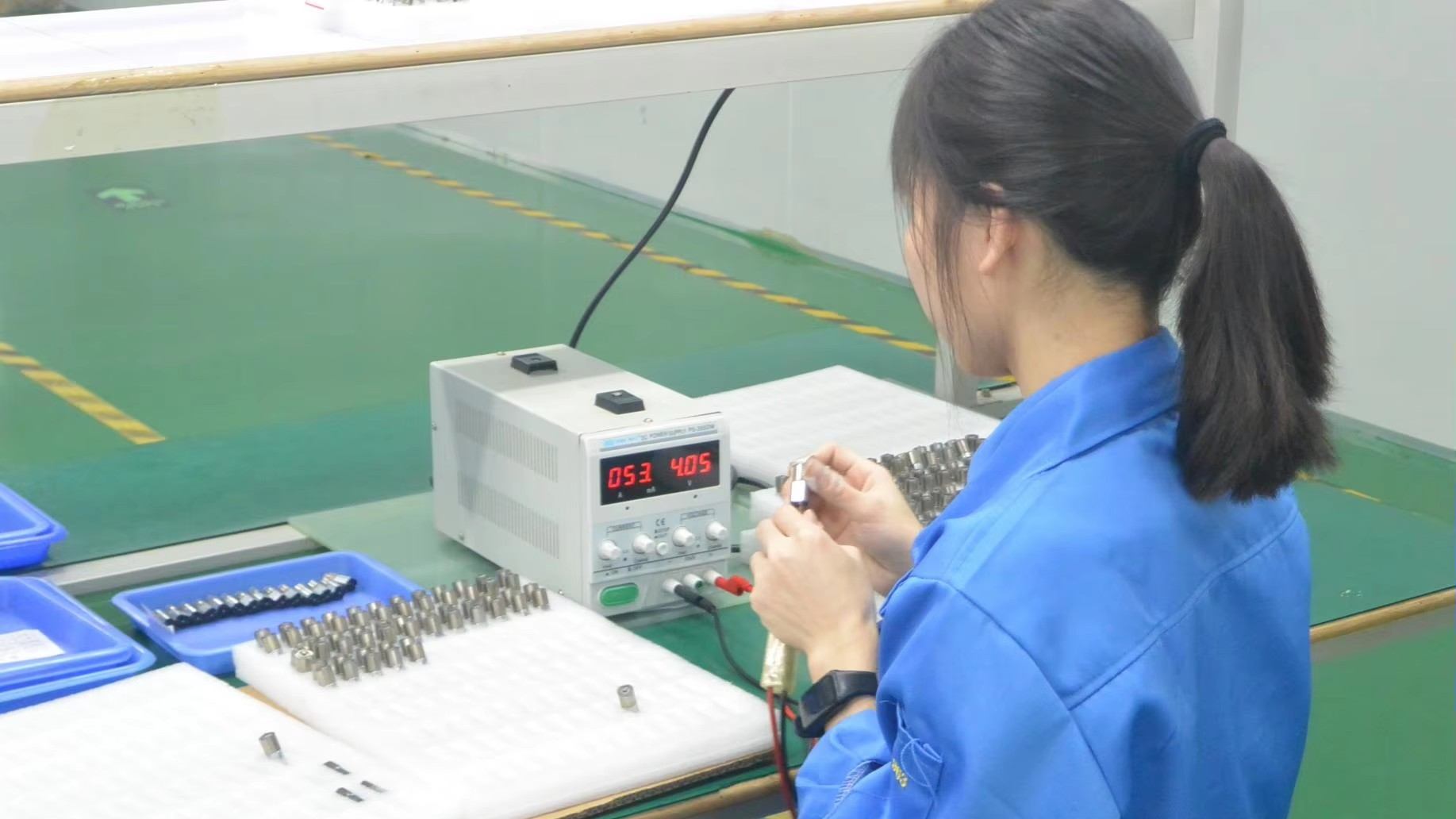
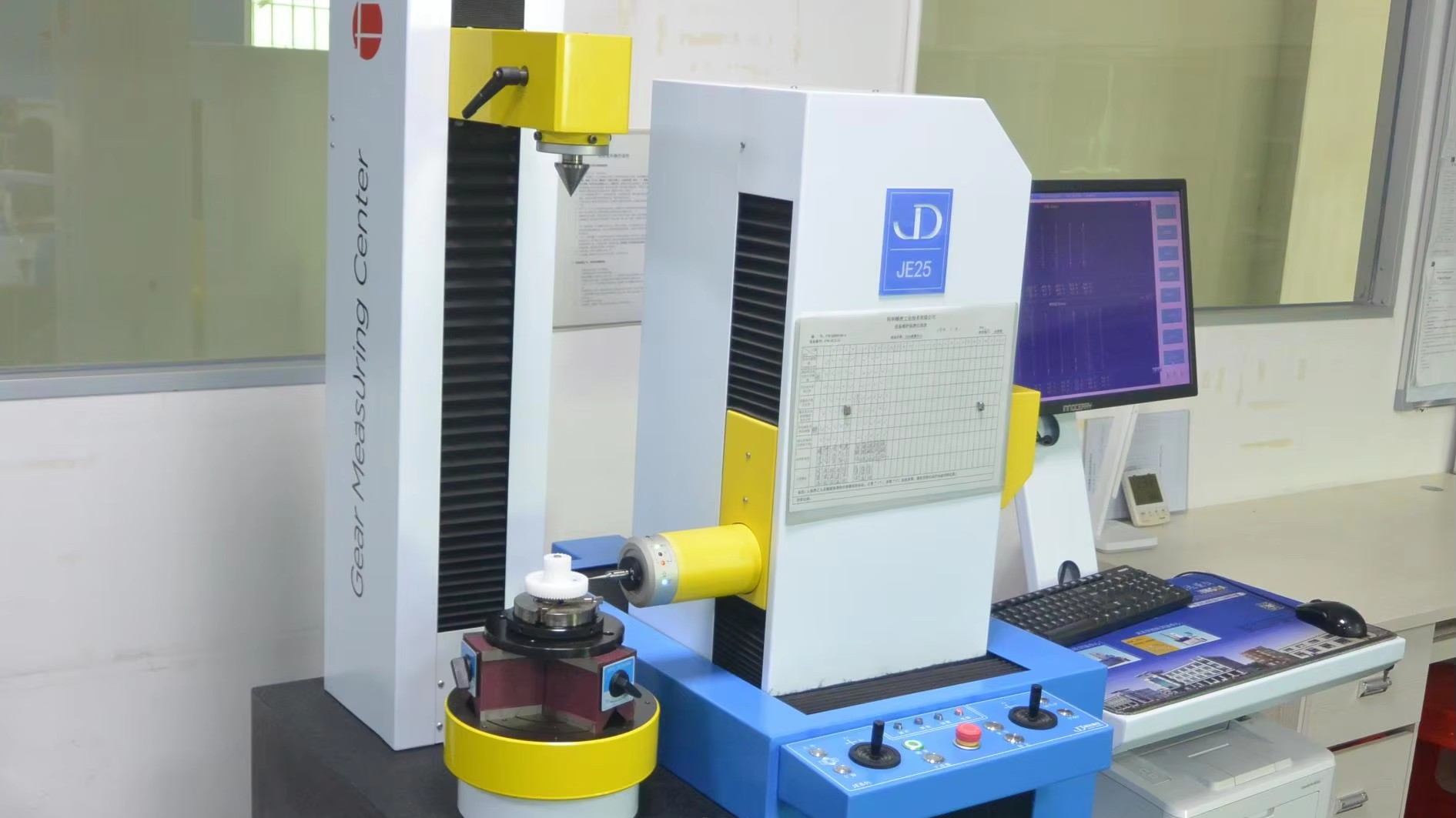
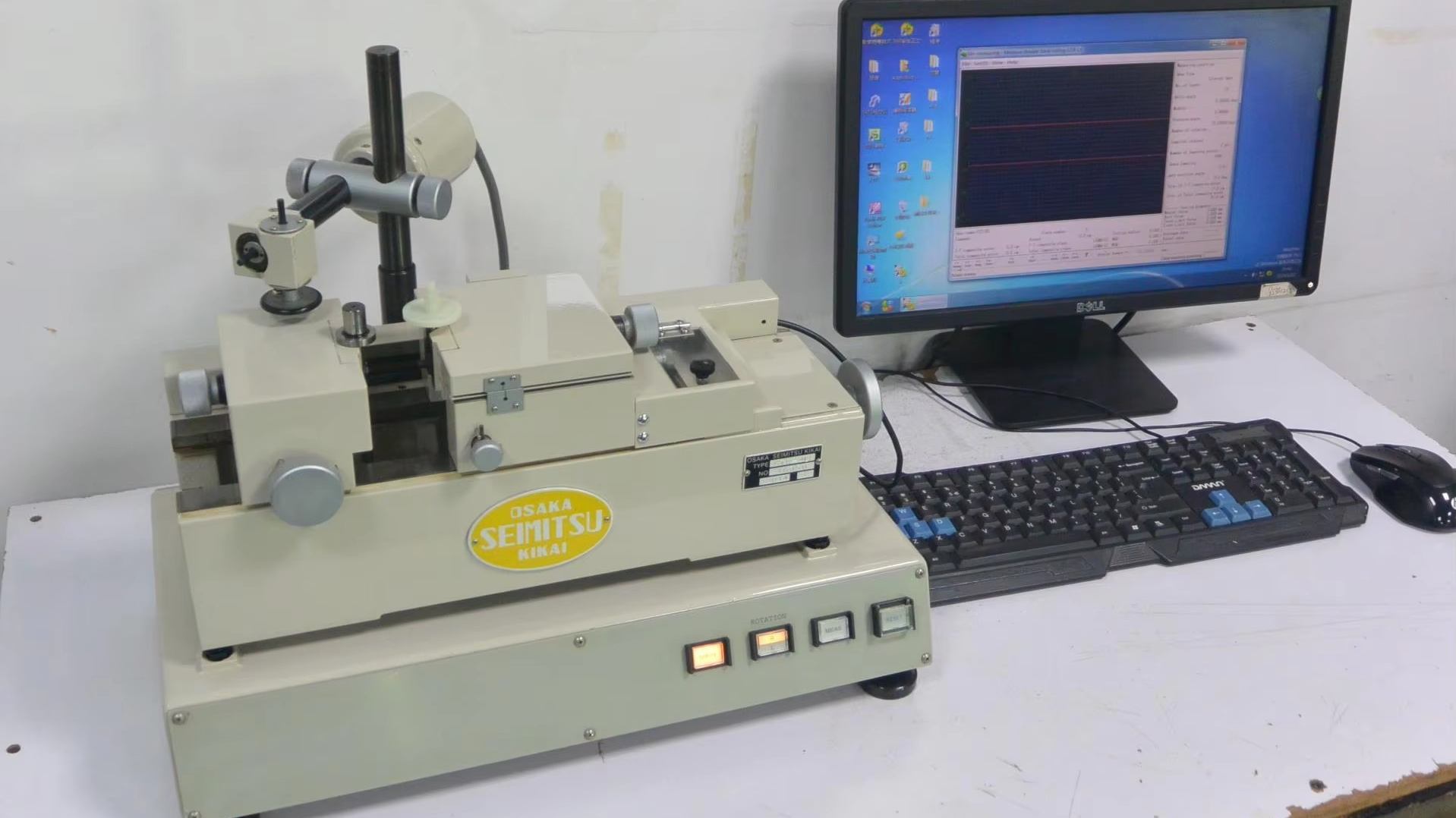
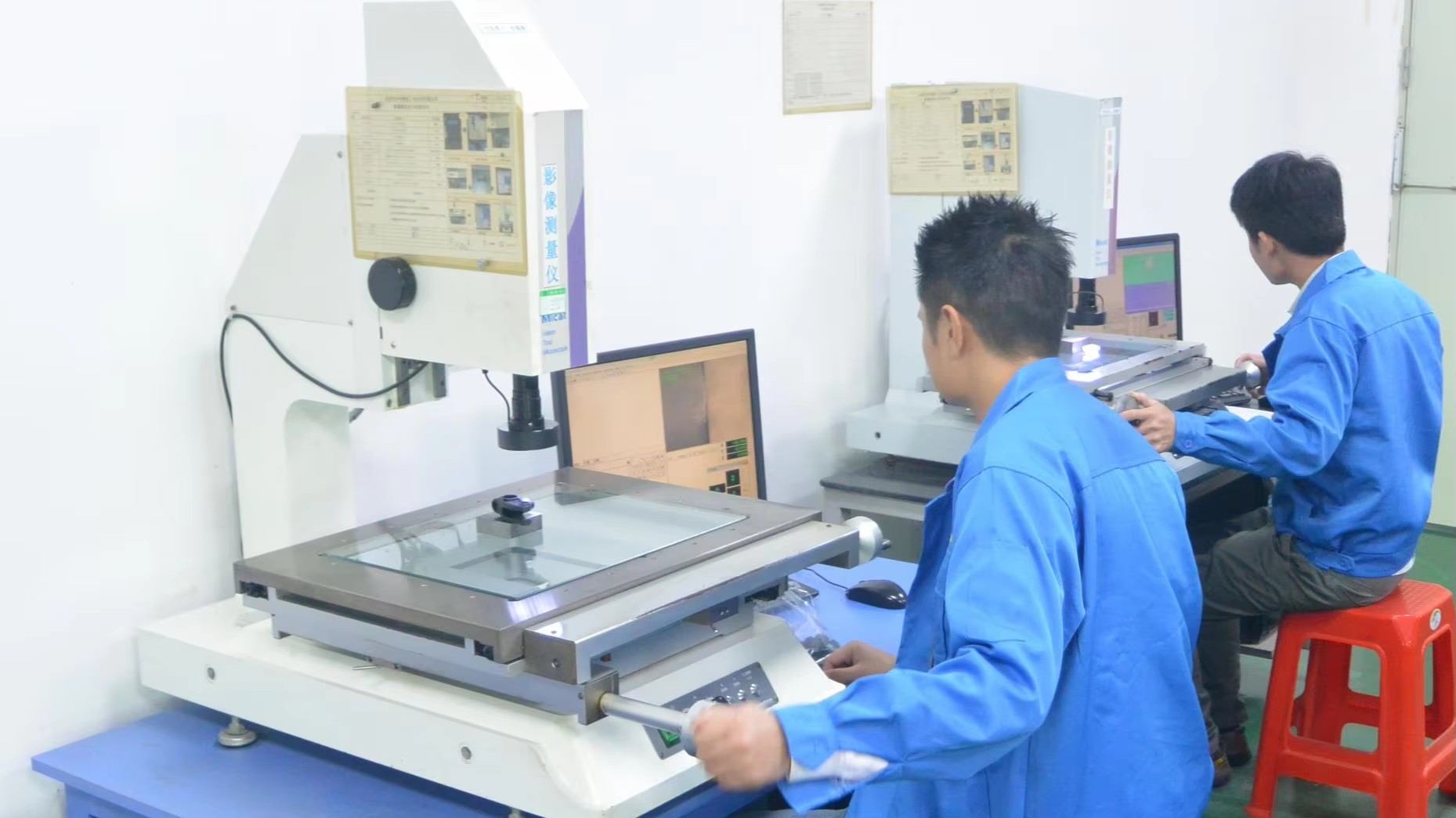
Advanced testing centers featuring coordinate measuring machinery (CMM) and gear meshing analysers targeting zero-defect manufacturing.
Eliminating mid-tier brokers to align directly with OEM production timelines, providing full technical documentation and engineering support.
Procurement heads and mechanical design engineers evaluating Chinese dual-stage gearboxes must analyze metrics far beyond basic unit price. Factors such as long-term axial load capability, thermal dissipation profiles, torque density limits, and operational noise dictate the reliability of the end equipment. In mission-critical applications like medical infusion pumps or security lock mechanisms, gearbox failure results in costly equipment recall and damage to brand reputation.
Lahabra Motors addresses these paint points by providing direct technical access to our production engineers, sharing detailed inspection records, and managing material certificates for steel, brass, POM, ABS, and filled nylon resins.
Dual-stage gearboxes feature nested gear stages that multiply input torque according to the compound ratio ($R = R_{stage1} \times R_{stage2}$). This makes them highly effective in applications requiring low speeds and high rotational forces within micro-sized volumetric envelopes. Below are the key global applications for our custom dual-stage drive systems:
| Vertical Sector | Typical Application | Technical Demands | Lahabra Optimized Solution |
|---|---|---|---|
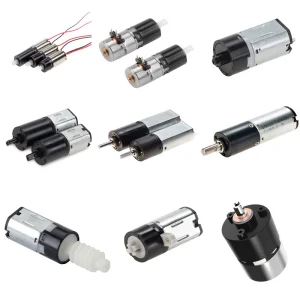
| Smart Automation | Sweeping & cleaning robots, automatic locks | High starting torque, high impact resistance, flat form factor | 26mm & 28mm dual-stage planetary/spur hybrid configurations |
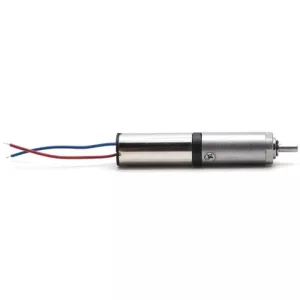
| Medical & Biotech | Infusion pumps, precision dosage systems | Ultra-low backlash, silent operation, zero-slip transmission | 6mm & 16mm micro coreless motors with injection-molded nylon/POM gears |
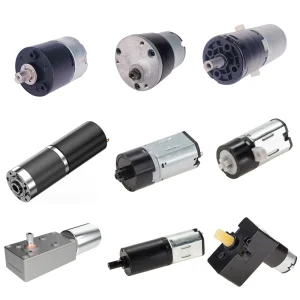
| Smart Furniture | Height-adjustable desks, ergonomic screens | High static self-locking load, low operational acoustic footprint | 36mm & 42mm high-torque DC planetary gear systems |
| Consumer Hardware | VR headsets, smart door handles, adult products | Micro footprint, lightweight design, efficient battery consumption | Dual bevel & planetary plastic gears in ABS, PMMA, and POM |
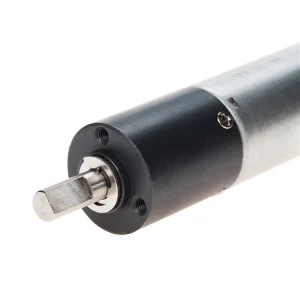
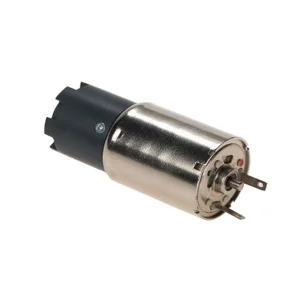
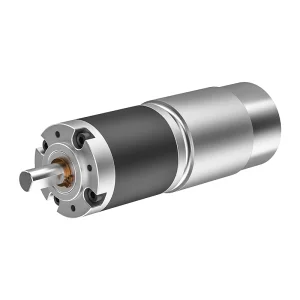
For example, in automated sweeping robots, the drive unit must sustain continuous shock loads when encountering floor transitions. Our dual-stage 26mm and 28mm DC gearmotors utilize a sintered metal or high-density plastic output stage combined with a low-noise helical first stage. This layout maximizes torque delivery while keeping operation quiet.
Developing high-performing dual-stage gear systems requires balanced engineering design, combining mechanics, material science, and tribology. Lahabra Motors continuously tests and integrates new technologies into our production lines:
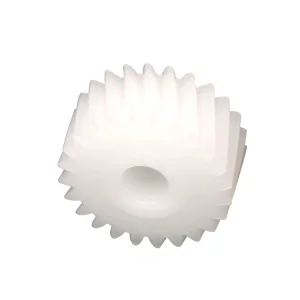
By combining different gear types (such as helical first stages for noise reduction, and spur or planetary second stages for high torque handling), we optimize the overall performance of the gearbox. Helical gear designs reduce vibration and operational noise during the high-speed input phase, while the planetary stage distributes output loads across multiple planet gears to maximize torque.
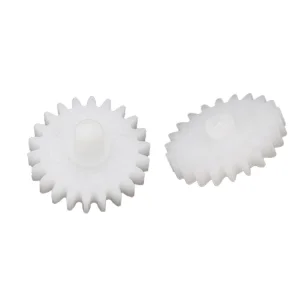
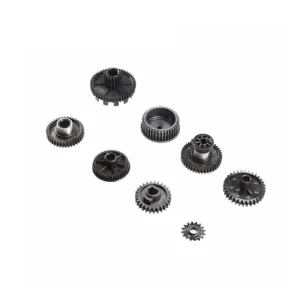
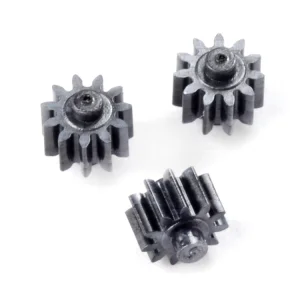
The choice between polymer and metal gears depends on the application's torque, speed, and acoustic goals. In our manufacturing center, we utilize:
To reduce angular backlash to arc-minute tolerances, we maintain strict control over center-distance deviations during housing assembly. By using advanced coordinate measuring machines (CMM) and digital gear mesh checkers, we verify that each gear profile matches design specifications prior to assembly.
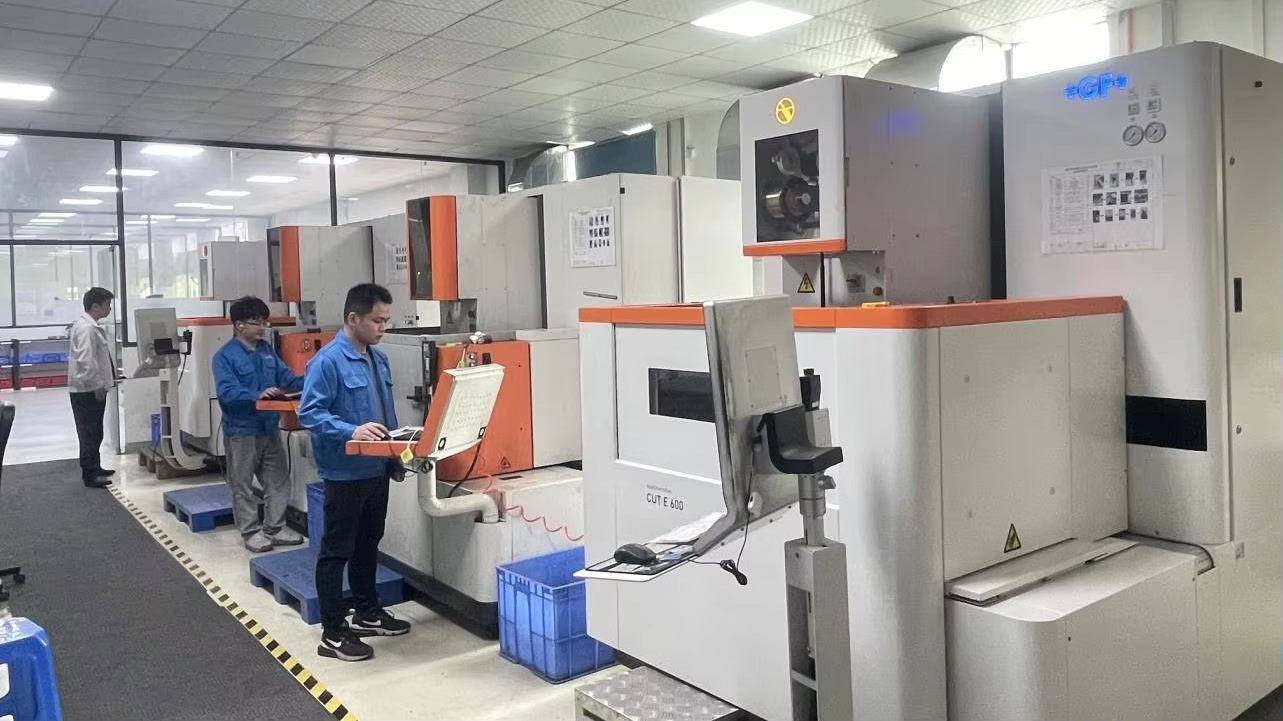
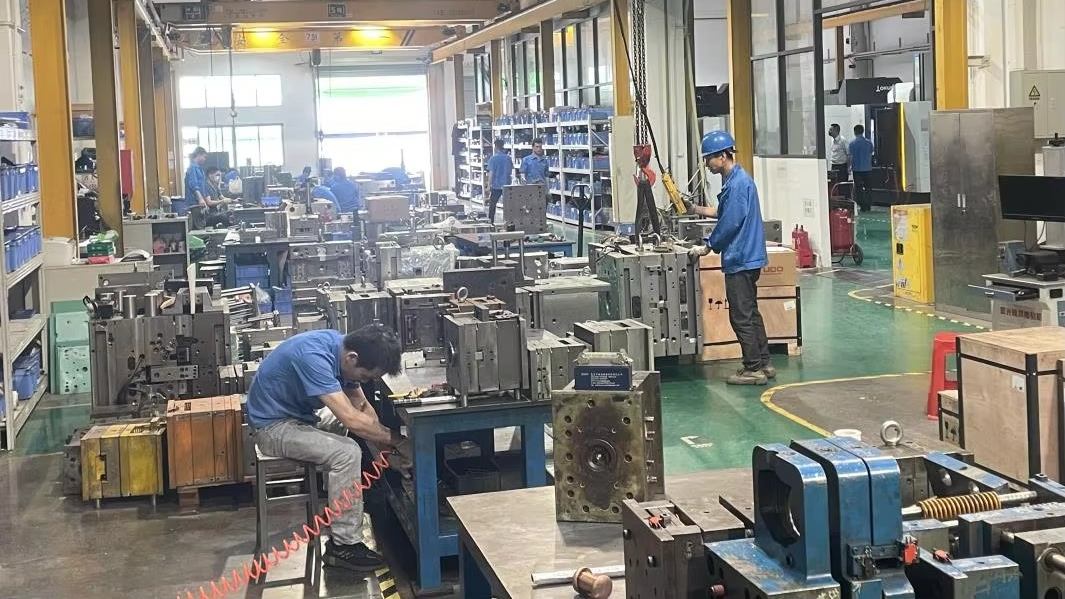
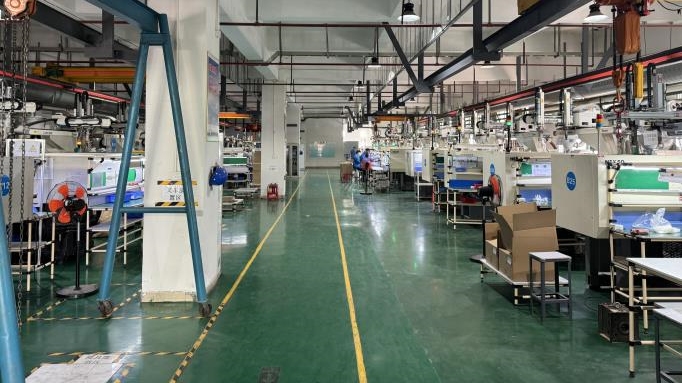
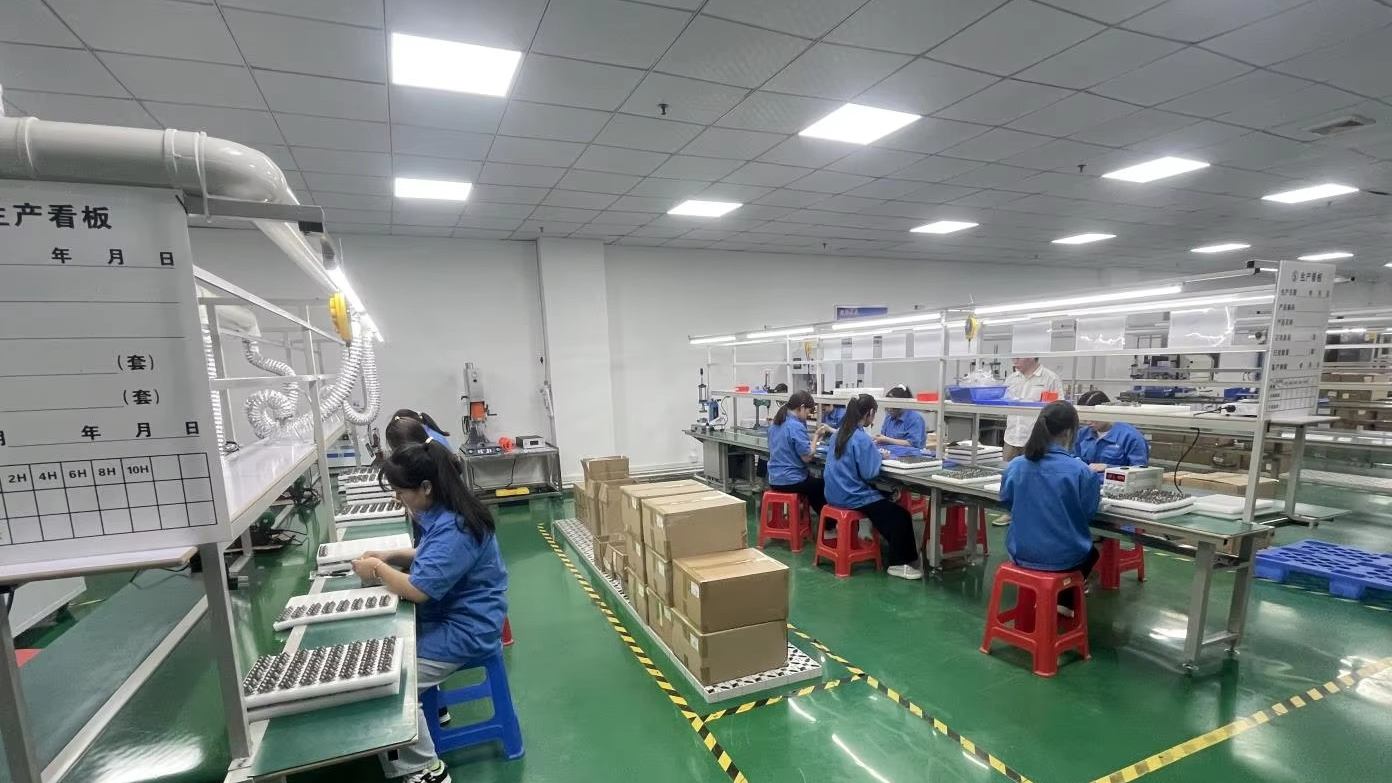
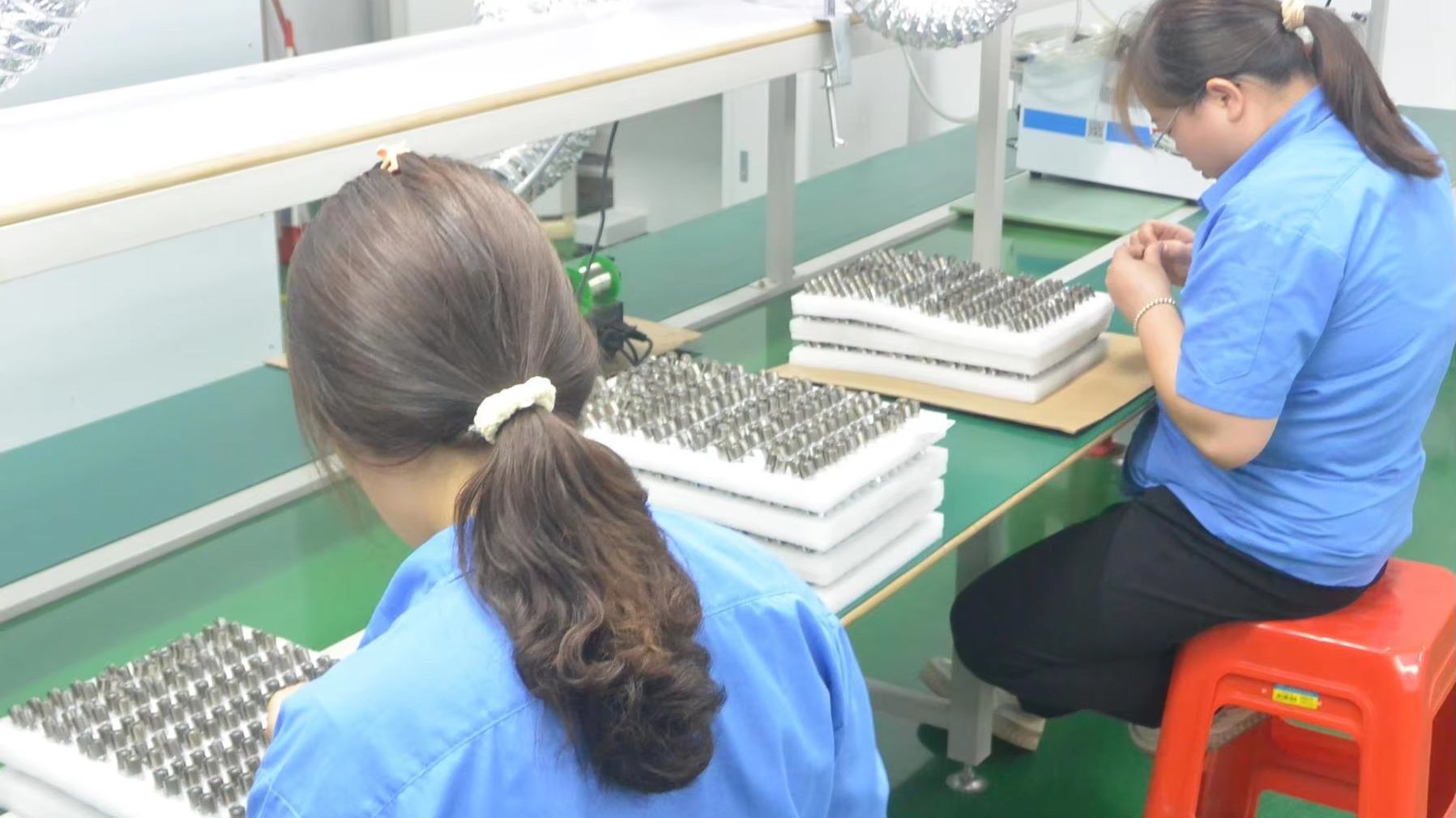
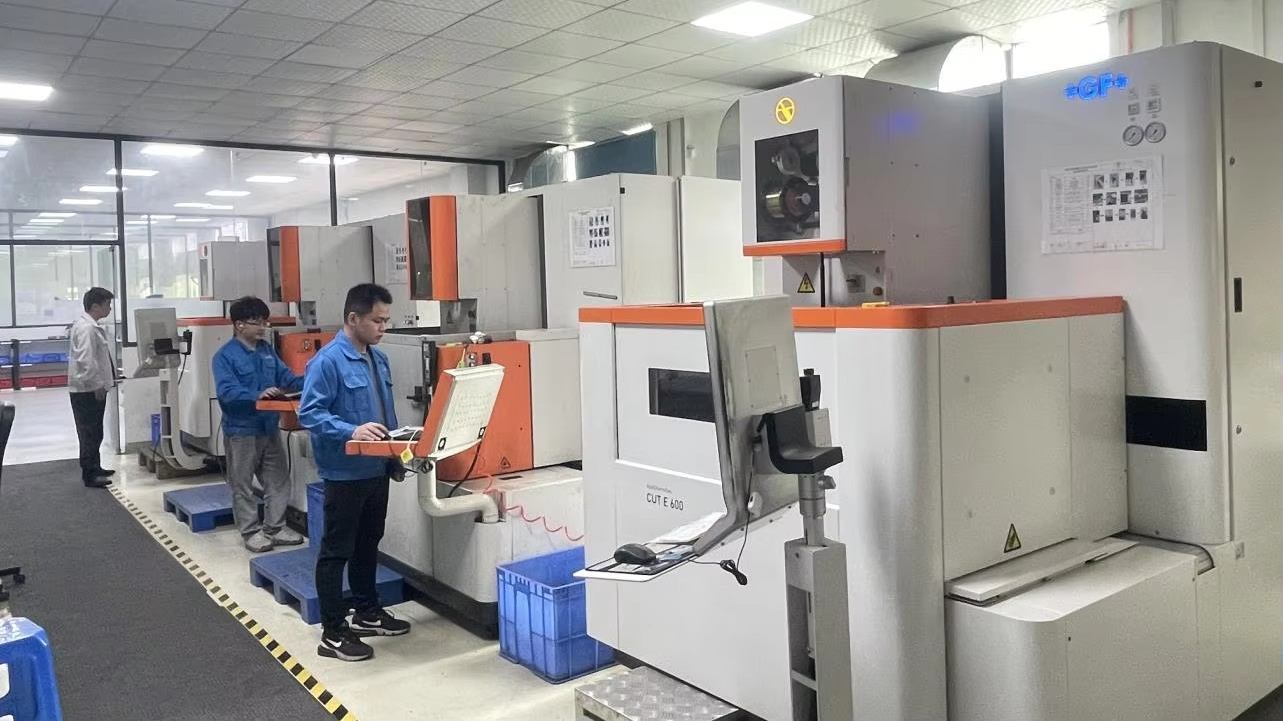
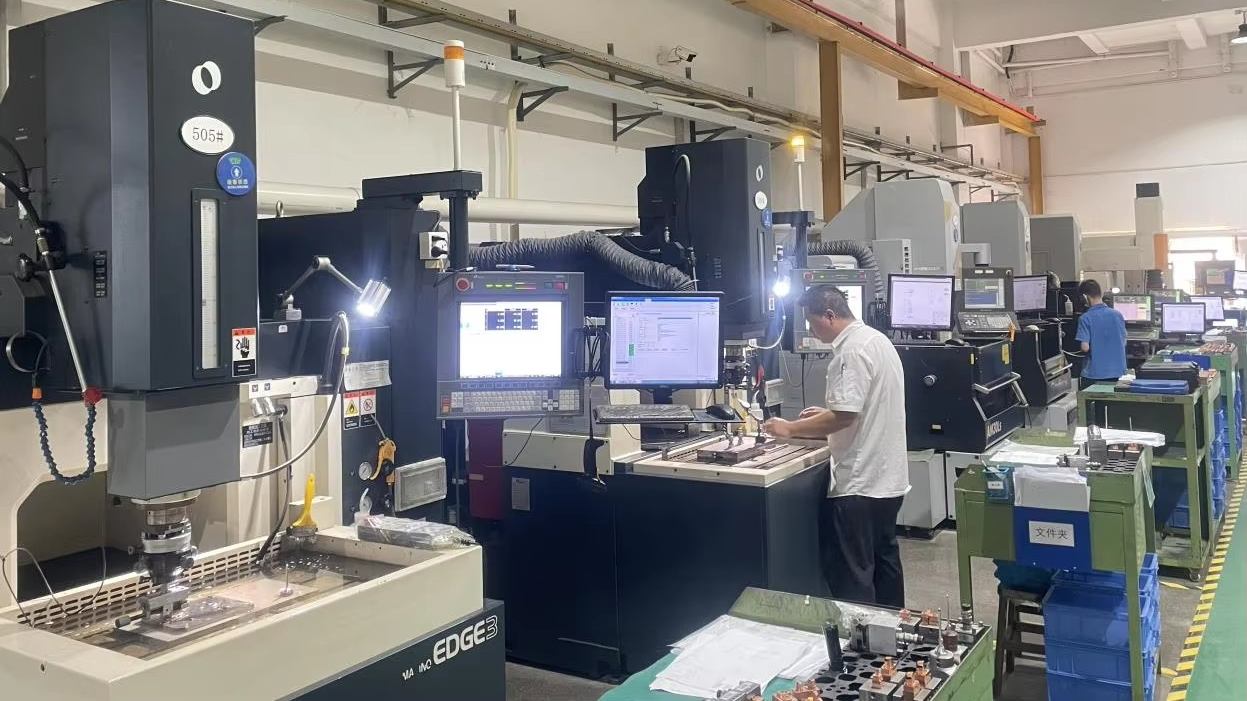
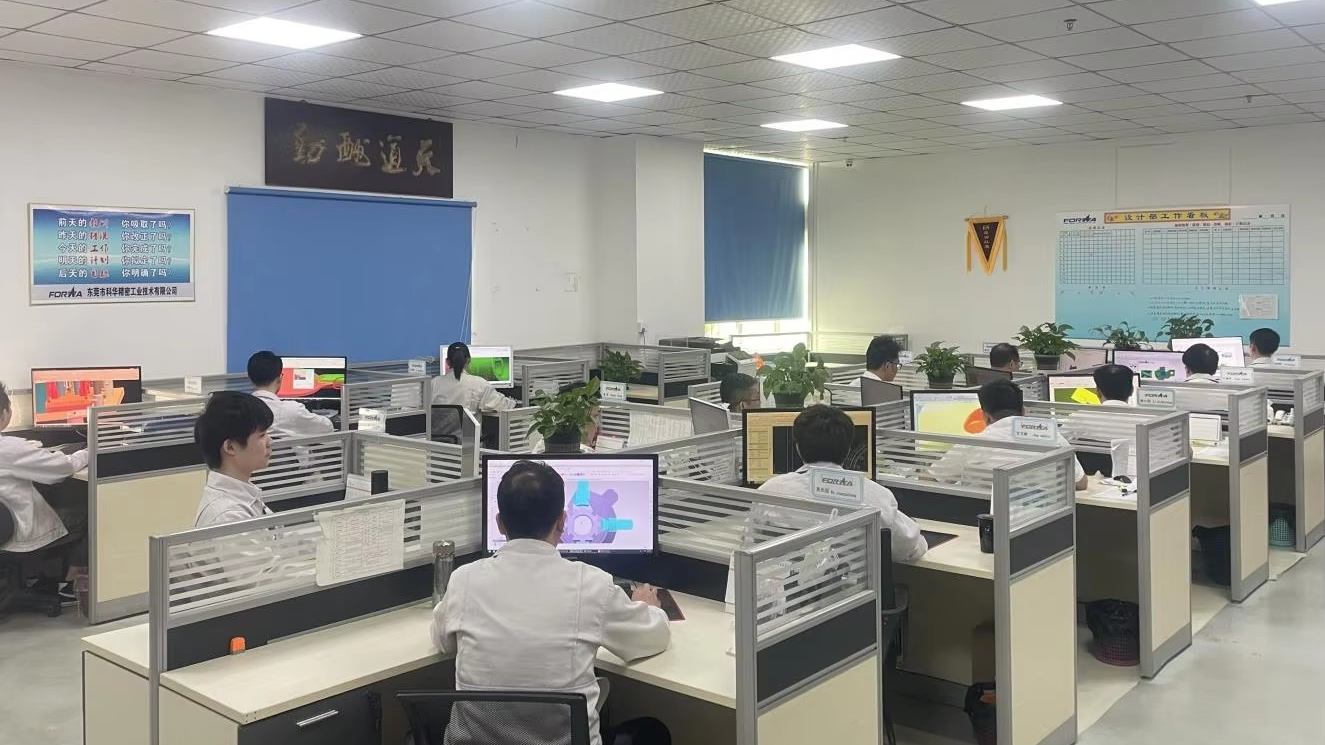
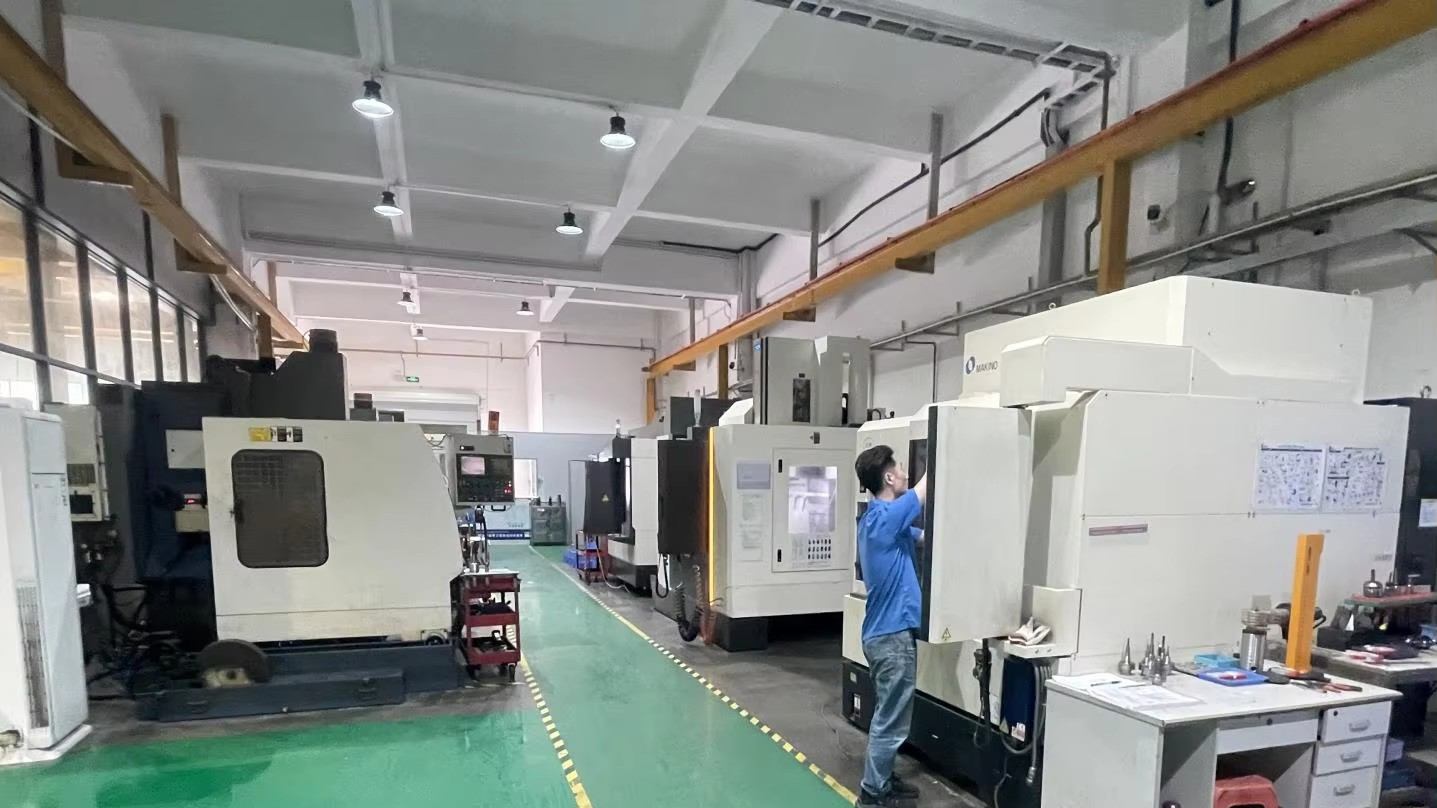
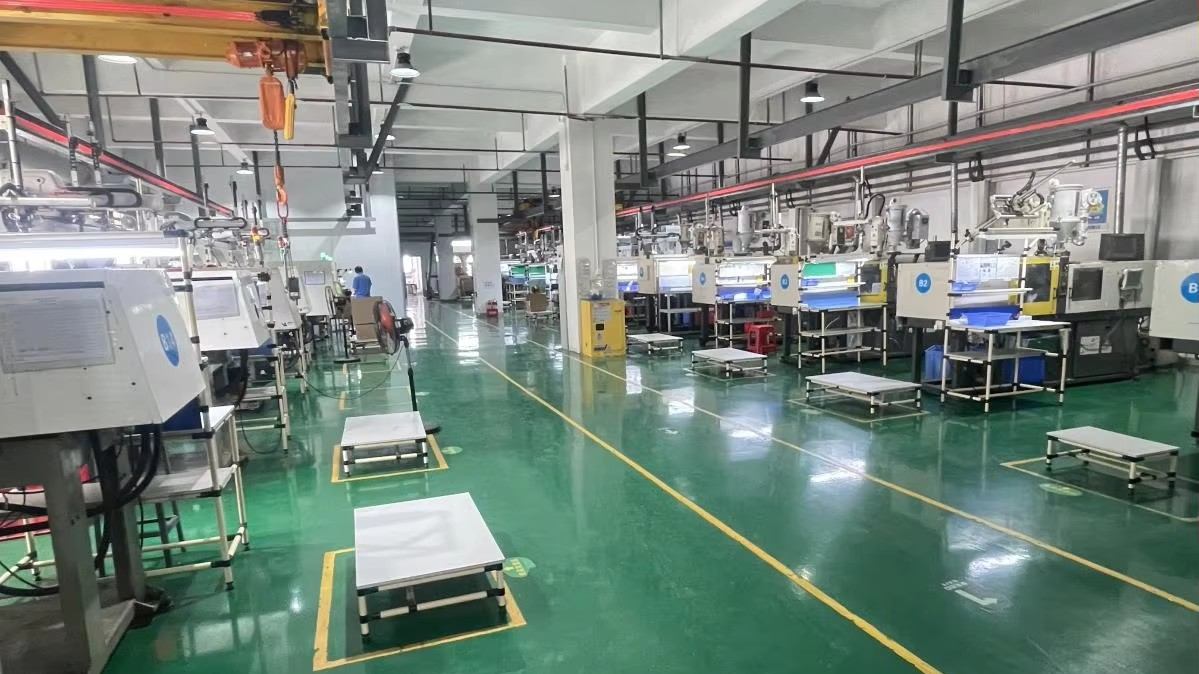
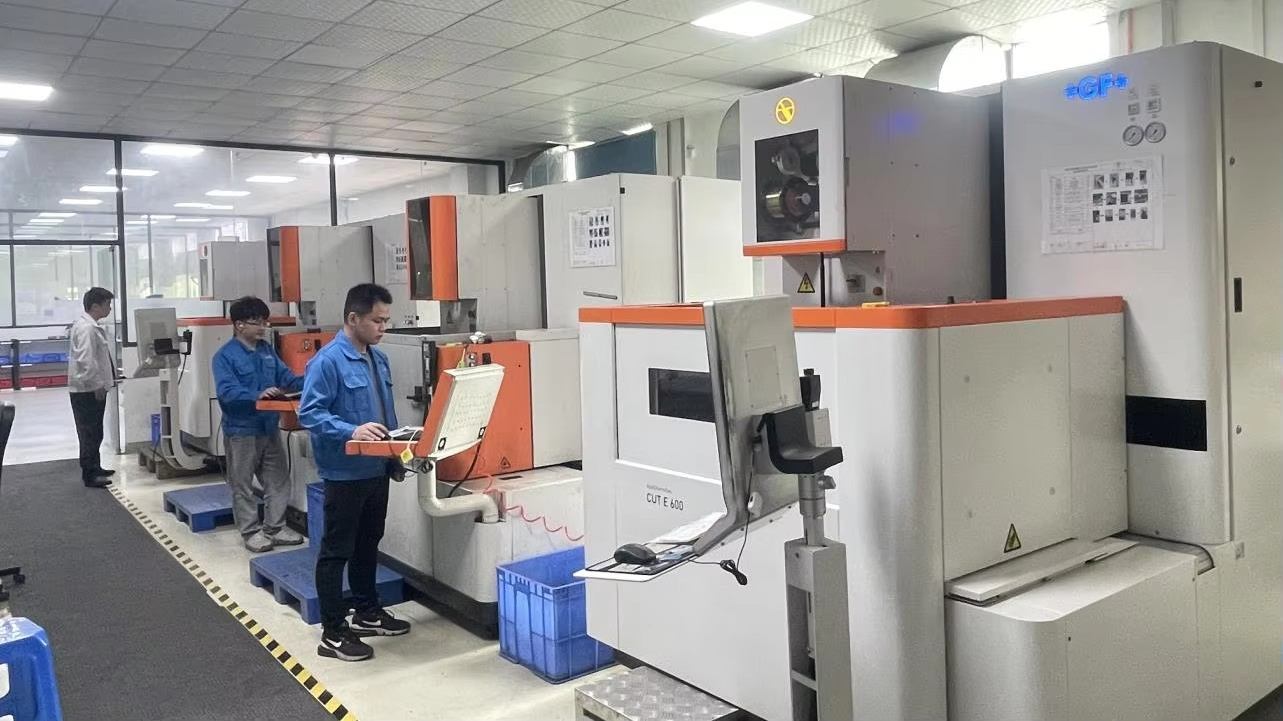
Lahabra Motors controls the entire manufacturing value chain. We design and build our injection molds, process die parts, execute high-speed CNC milling, and perform strict multi-axis coordinate quality checks within our facility. This end-to-end control keeps production quality high and repeatable.

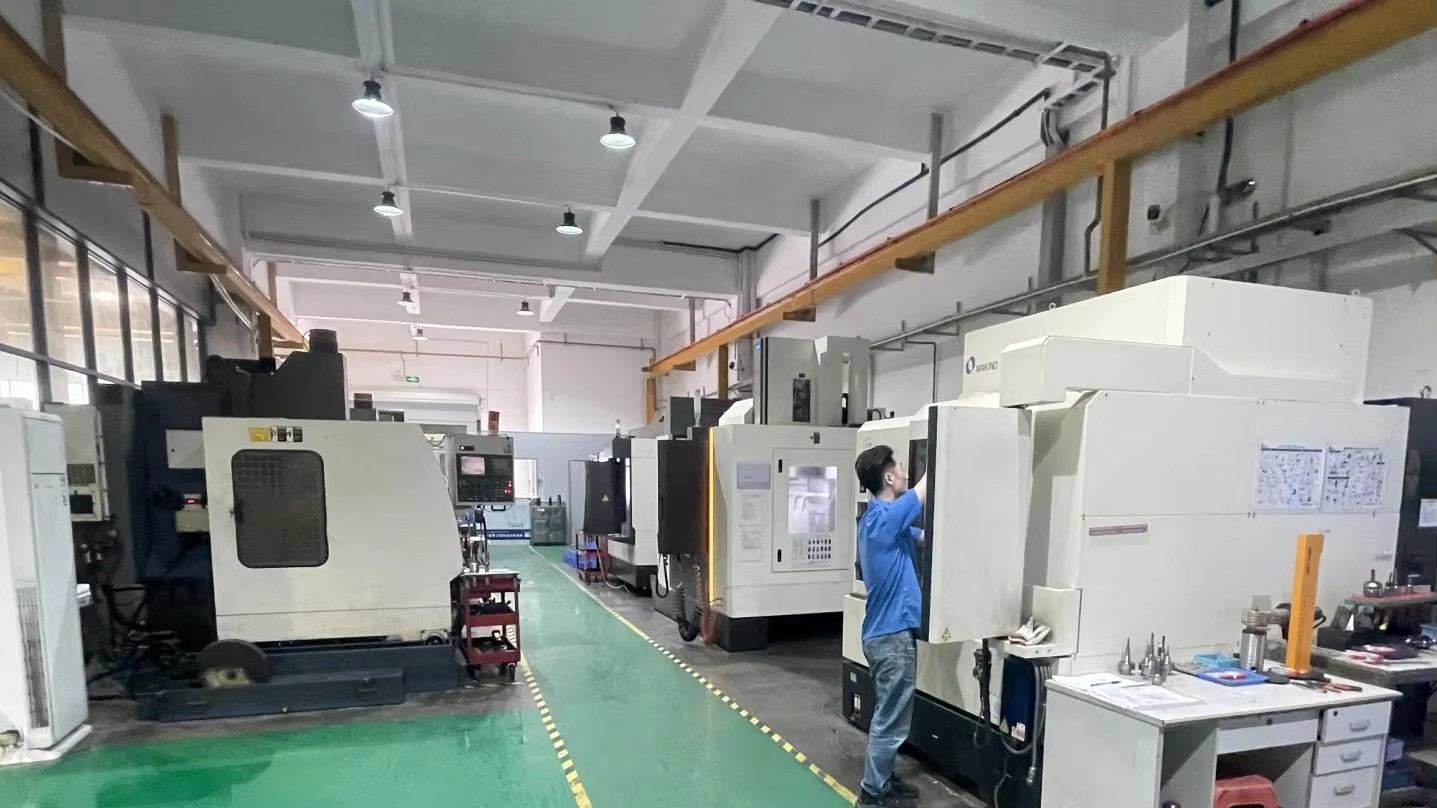
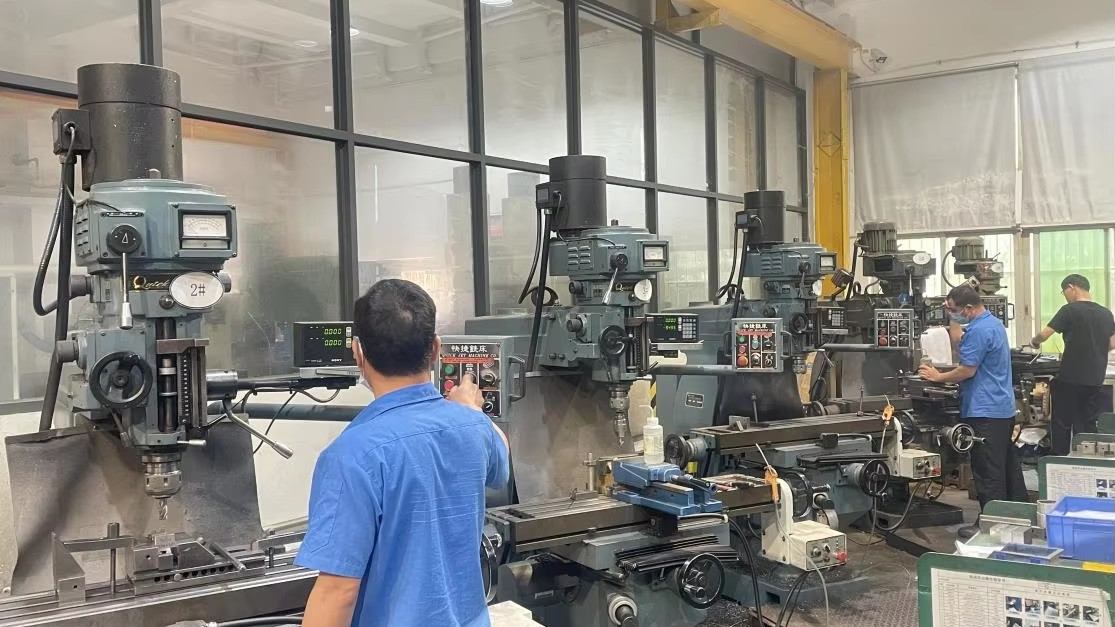
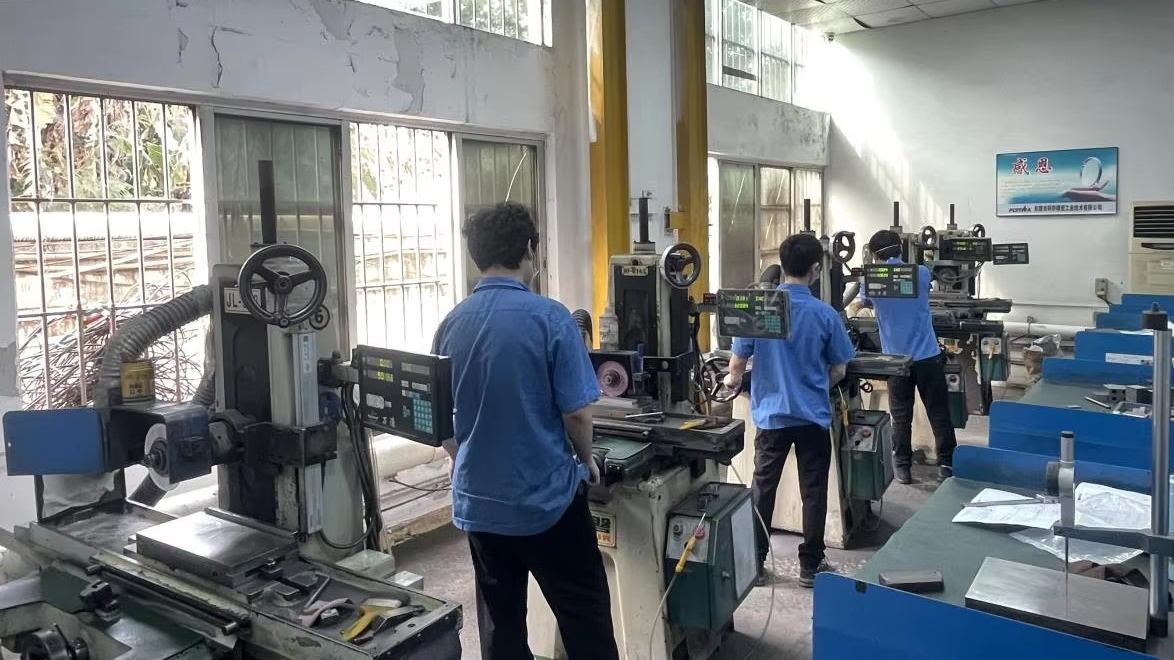
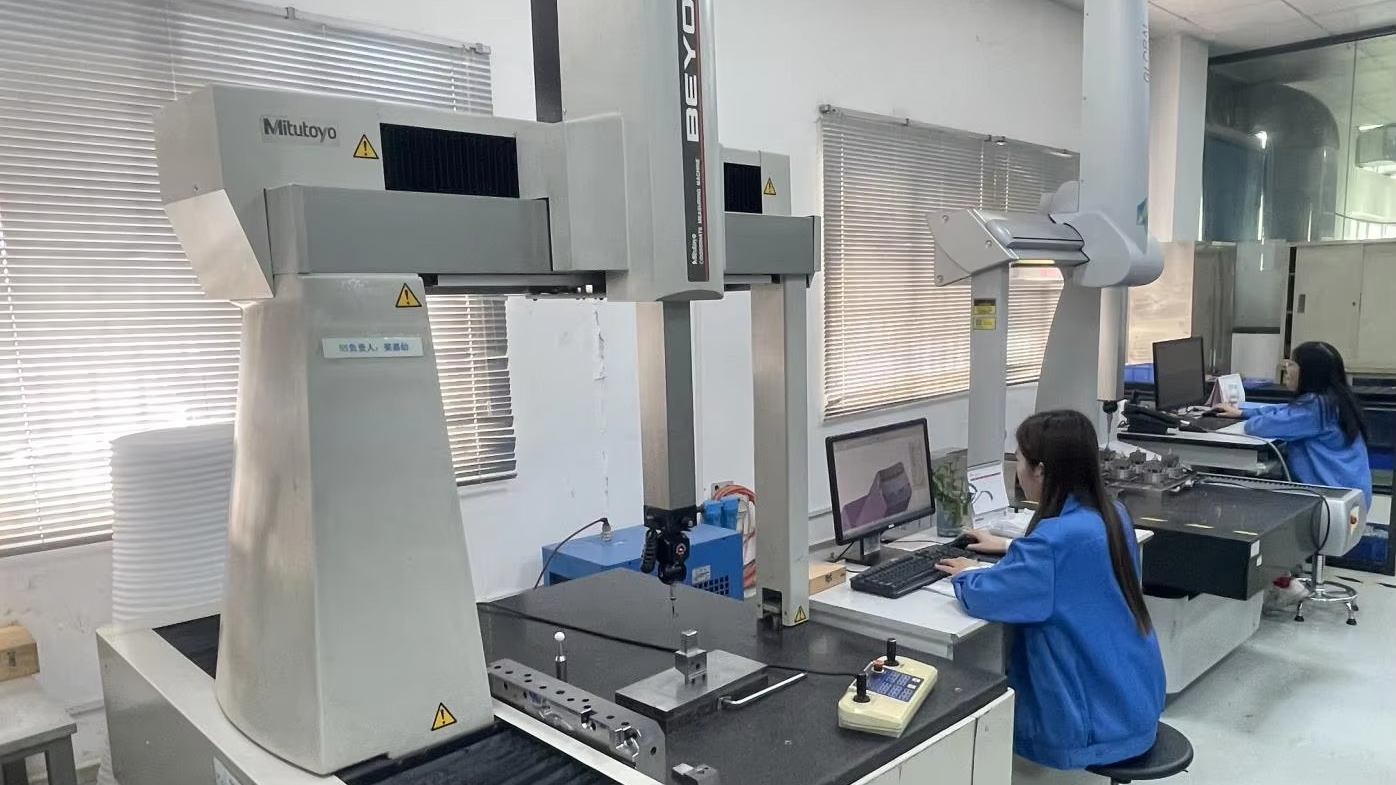
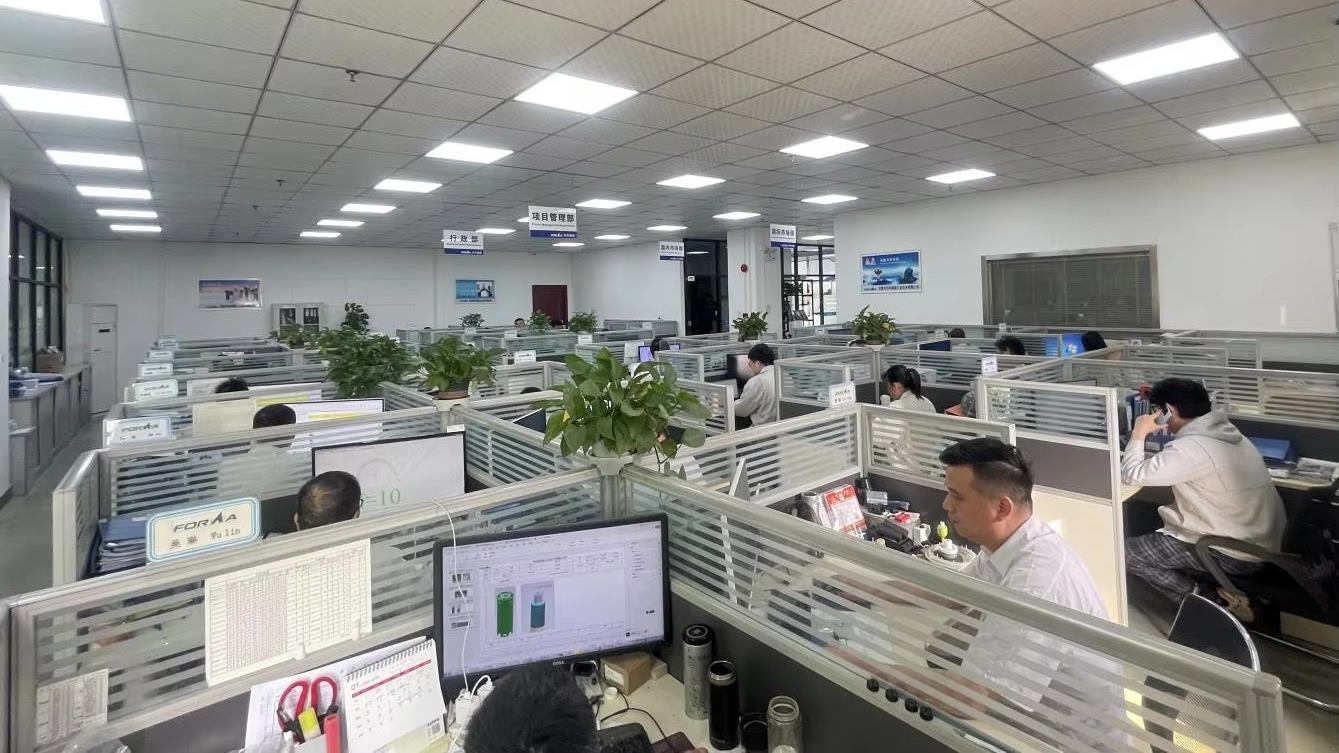
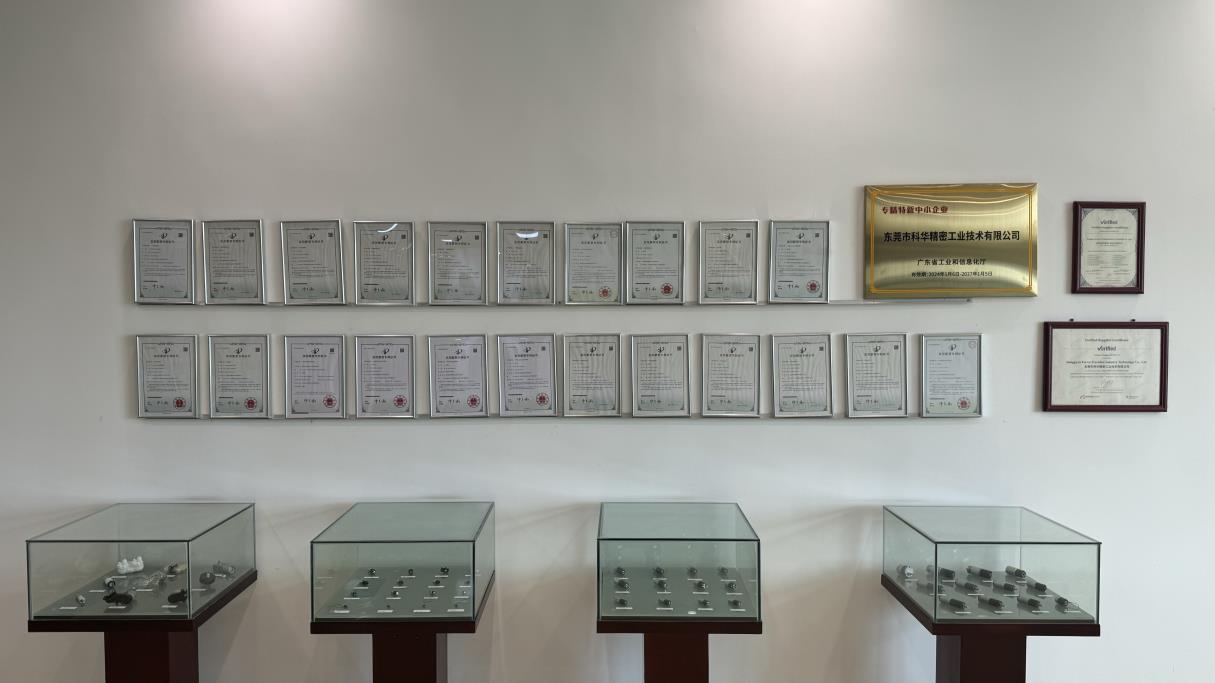
Operating a global engineering brand requires adhering to international regulatory frameworks. Lahabra Motors ensures all micro drives and dual-stage gear systems comply with standard B2B import criteria, including RoHS Directive 2011/65/EU and its amendments, REACH, and CE Mark registration for motorized drives.
A dual-stage gearbox cascades two reduction steps, which multiplies the overall reduction ratio in a smaller footprint. Achieving a 50:1 ratio in a single stage would require a very large ring or spur gear. A dual-stage system achieves this by multiplying two smaller stages (e.g., 5:1 × 10:1), keeping the outer diameter compact while maintaining high torque limits.
We minimize noise by using helical gears on the high-speed input stage and injection-molding them with vibration-damping engineering polymers like POM. In addition, we use precise mold-making (maintained through slow-wire EDM and CNC processes) to ensure accurate involute tooth profiles, which reduces friction and running noise.
Yes. For low-temperature environments (down to -40°C), we utilize low-viscosity, non-freezing synthetic grease and spec special fluorosilicone seals. For high-temperature setups (up to 120°C), we transition to high-glass-transition temperature polymers or sintered metal alloys paired with high-temperature synthetic lubricants.
POM is ideal for low-to-medium loads due to its low friction, dimensional stability, and quiet operation. Glass-reinforced Nylon works well for higher shock loads but absorbs moisture over time. Sintered metals or alloy steel are required for heavy-duty torque applications, though they generate more operational noise and add weight.
For prototype gearboxes with modified shafts or standard configurations, lead times average 2 to 3 weeks. For custom tooling (including new plastic injection molds), mold fabrication and sample production take 30 to 45 days. High-volume production starts once these initial samples are approved.
 Lahabra Motors