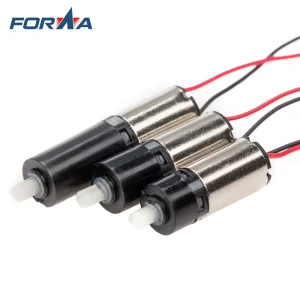
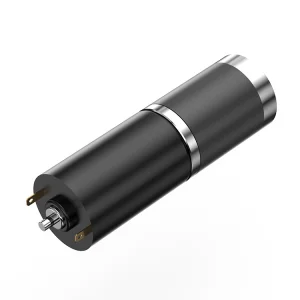
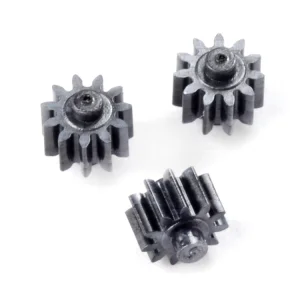
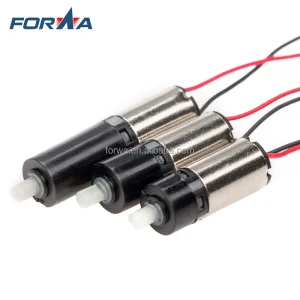
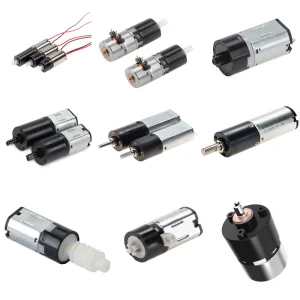
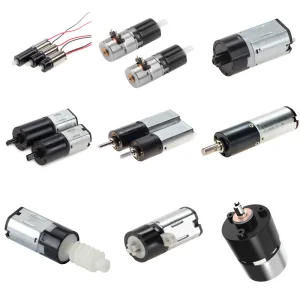
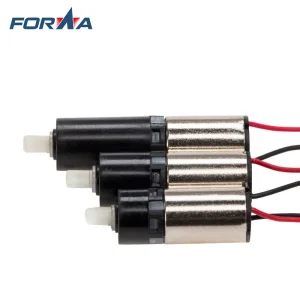
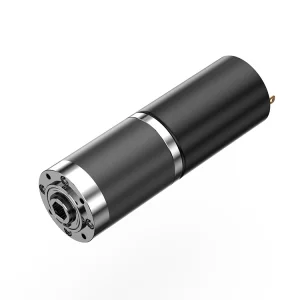
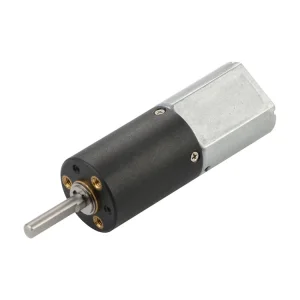
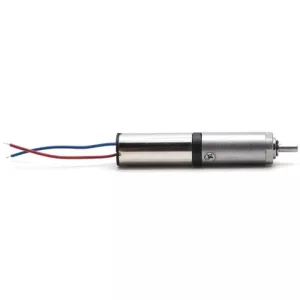
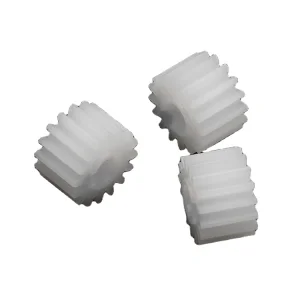
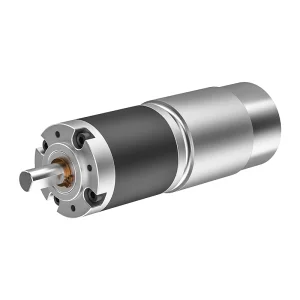
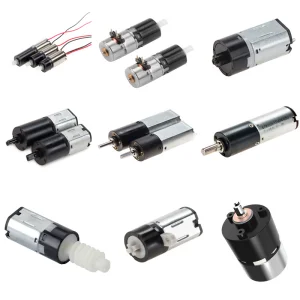
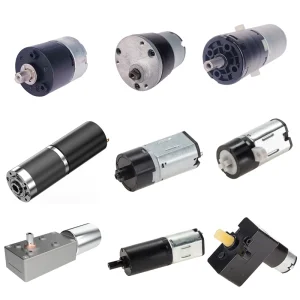
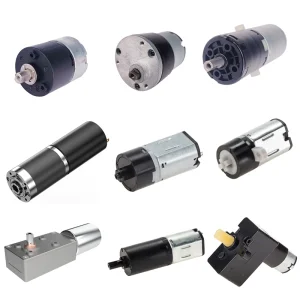
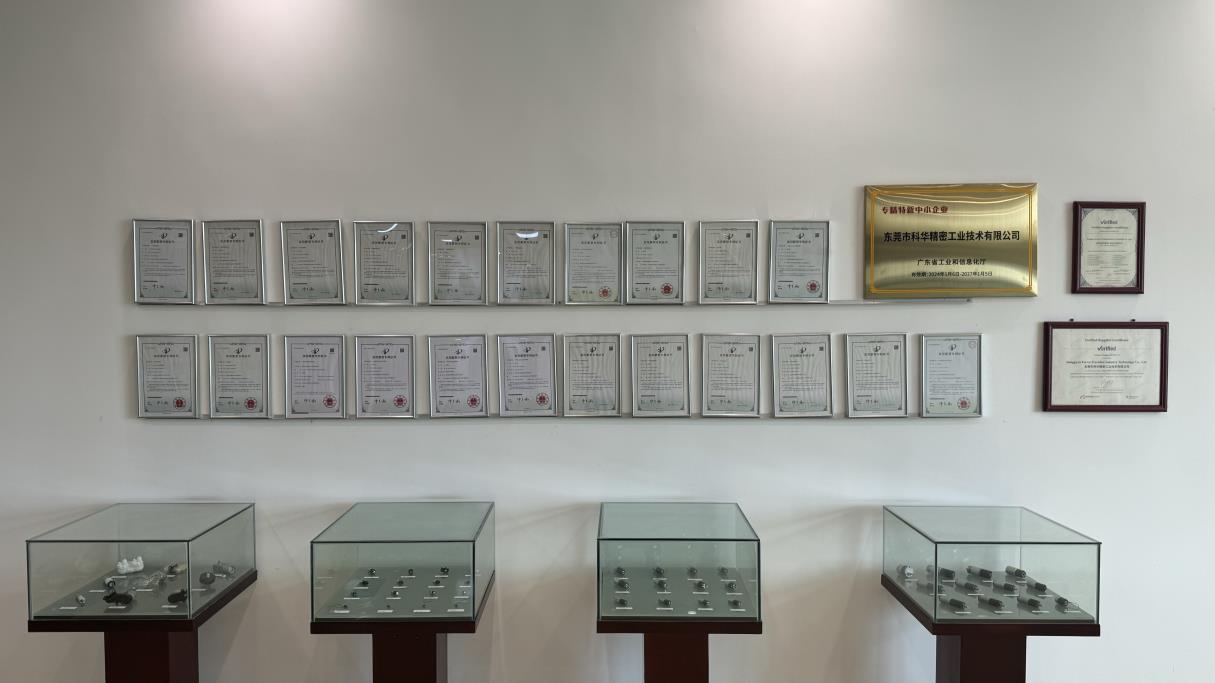
In the contemporary landscape of electromechanical engineering, the demand for "smaller, stronger, and smarter" components has catalyzed a revolution in micro-drive technology. Lahabra Motors Precision Industry Technology Co., Ltd. stands at the vanguard of this shift, serving as a verified source for factory-direct custom micro motors. Our mission is to bridge the gap between high-volume Chinese manufacturing efficiency and the stringent engineering standards required by global OEMs in the medical, automotive, and smart-tech sectors.
By eliminating intermediaries, we deliver high-torque, industrial-grade micro drives that are engineered for longevity. This white paper explores the technical nuances of custom gear designs, the resilience of the Chinese supply chain, and the future roadmap of miniature motion control.
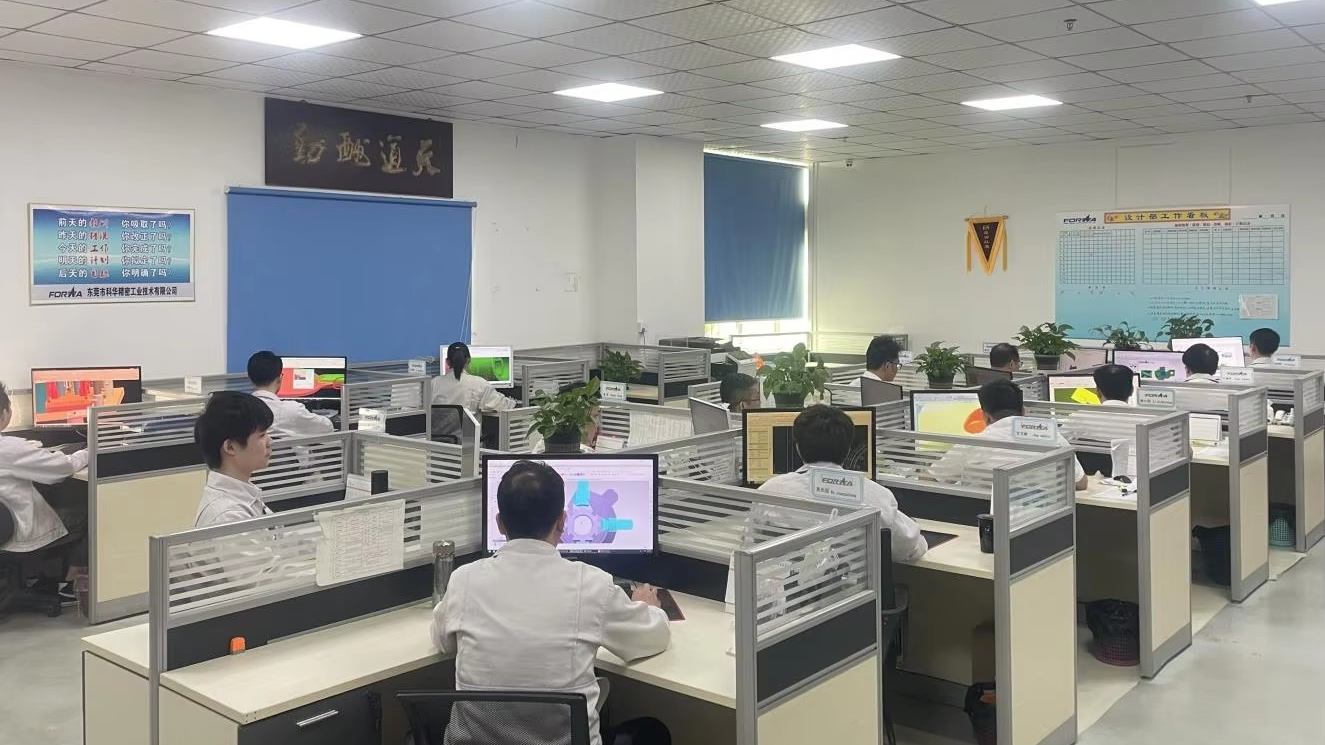
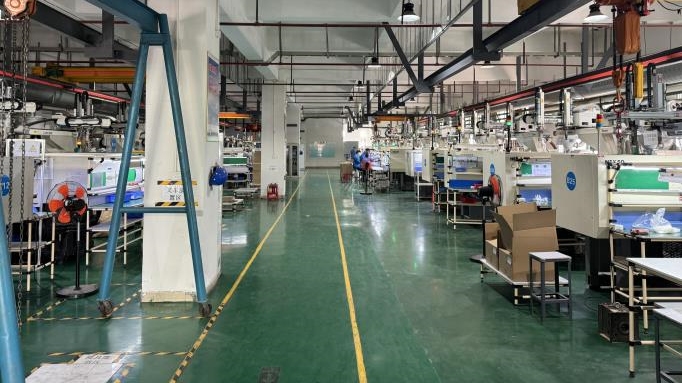
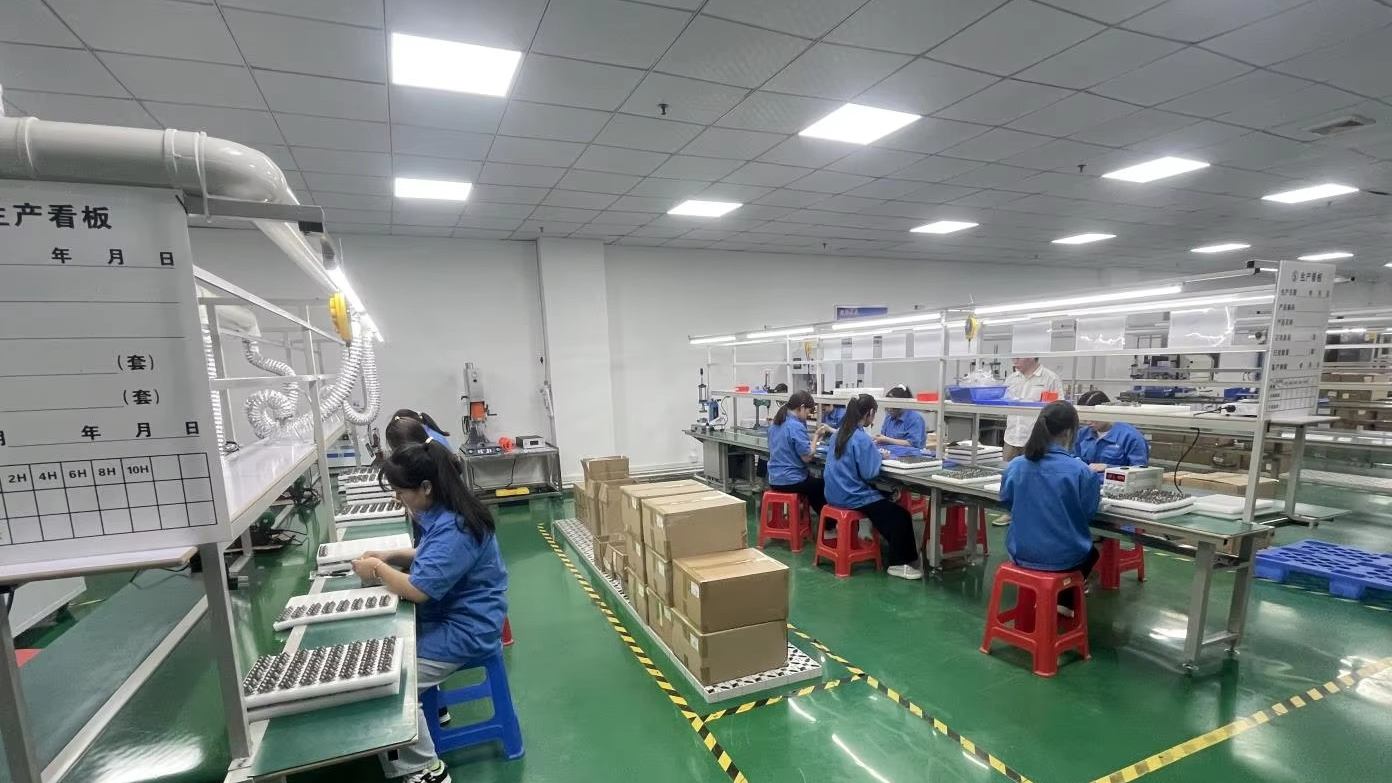
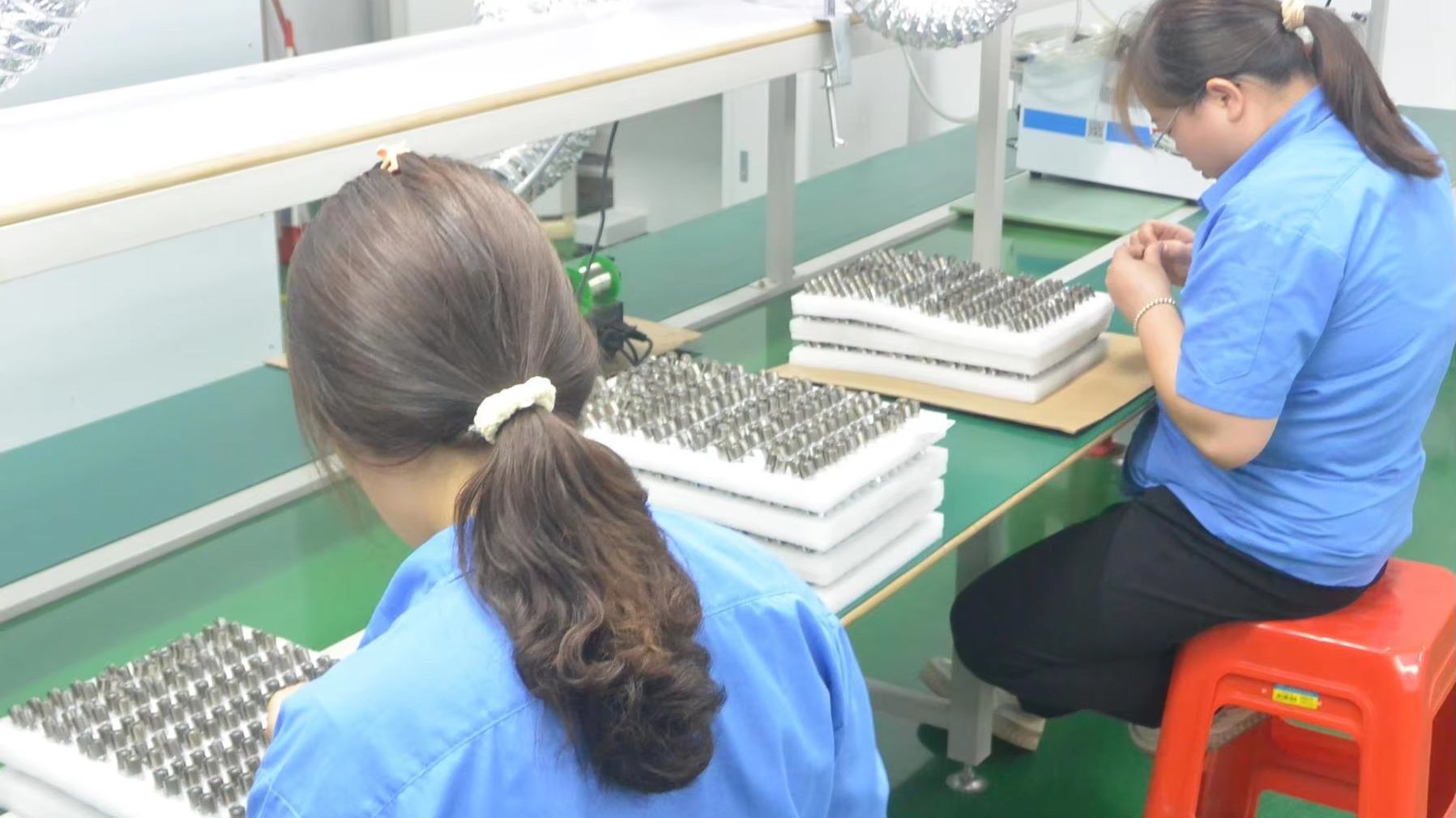
Deep manufacturing expertise providing mature, stable, and repeatable production quality for global markets.
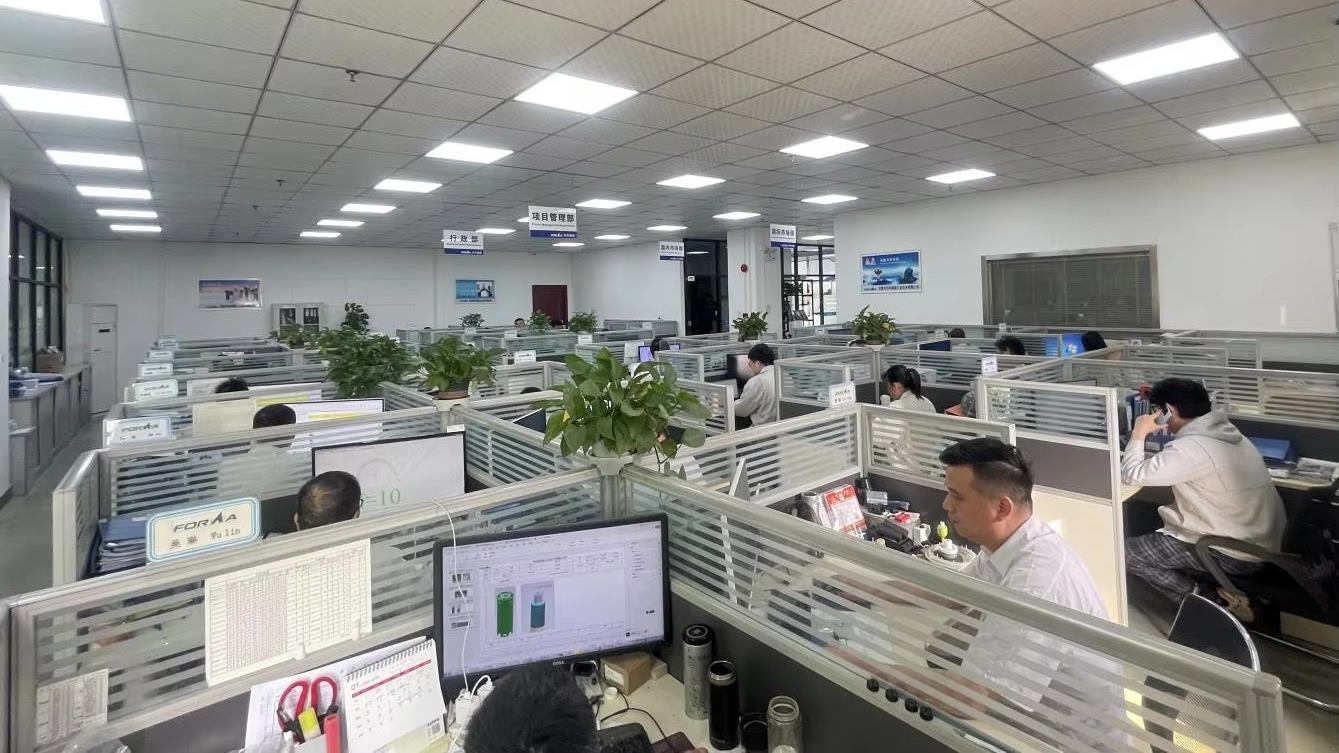
Rapid prototyping modifying speed, torque, and shaft shapes to match your exact device enclosure requirements.
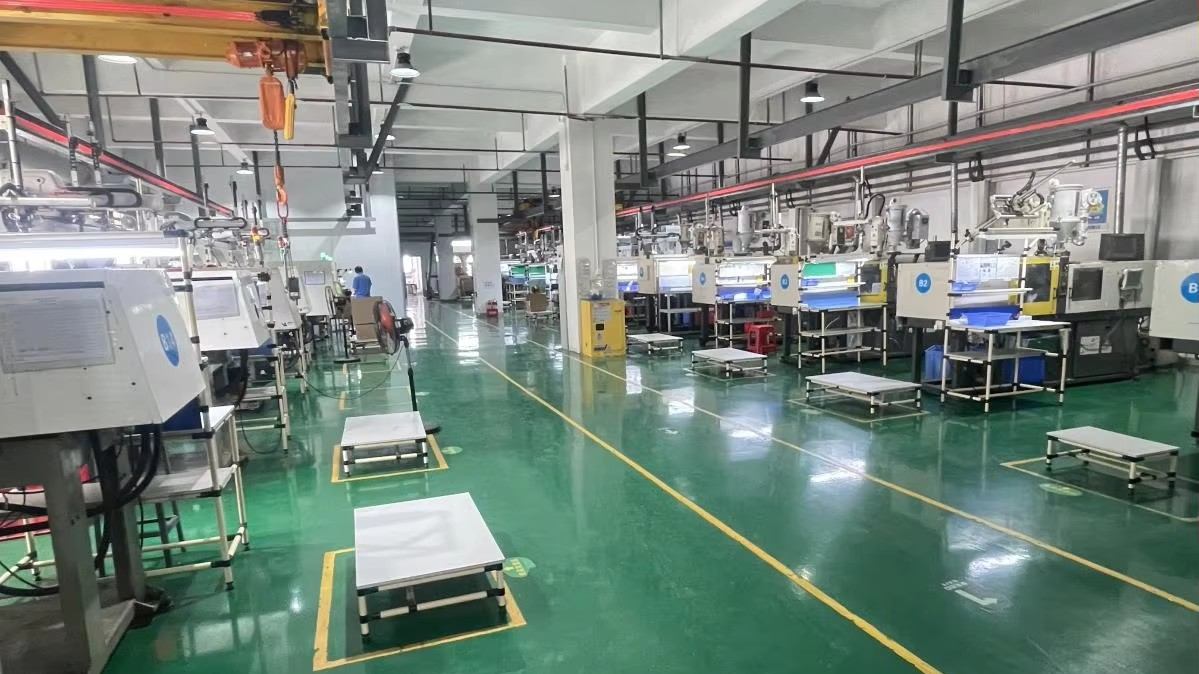
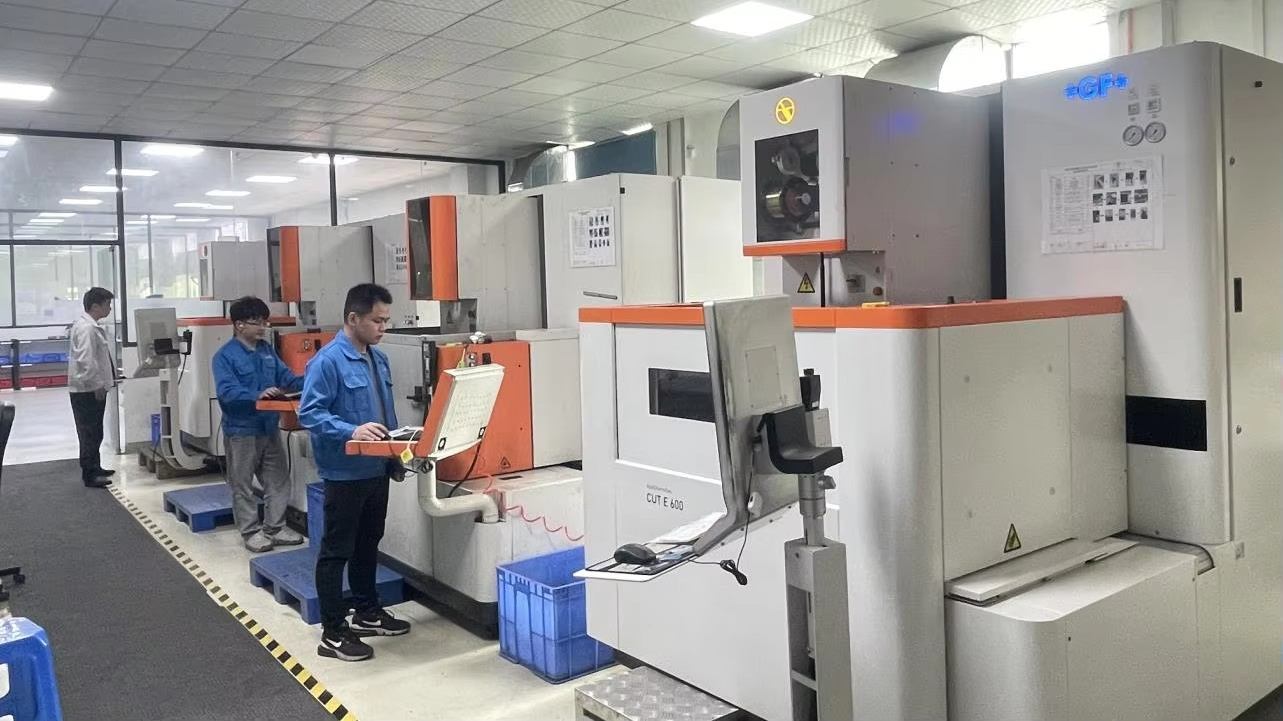
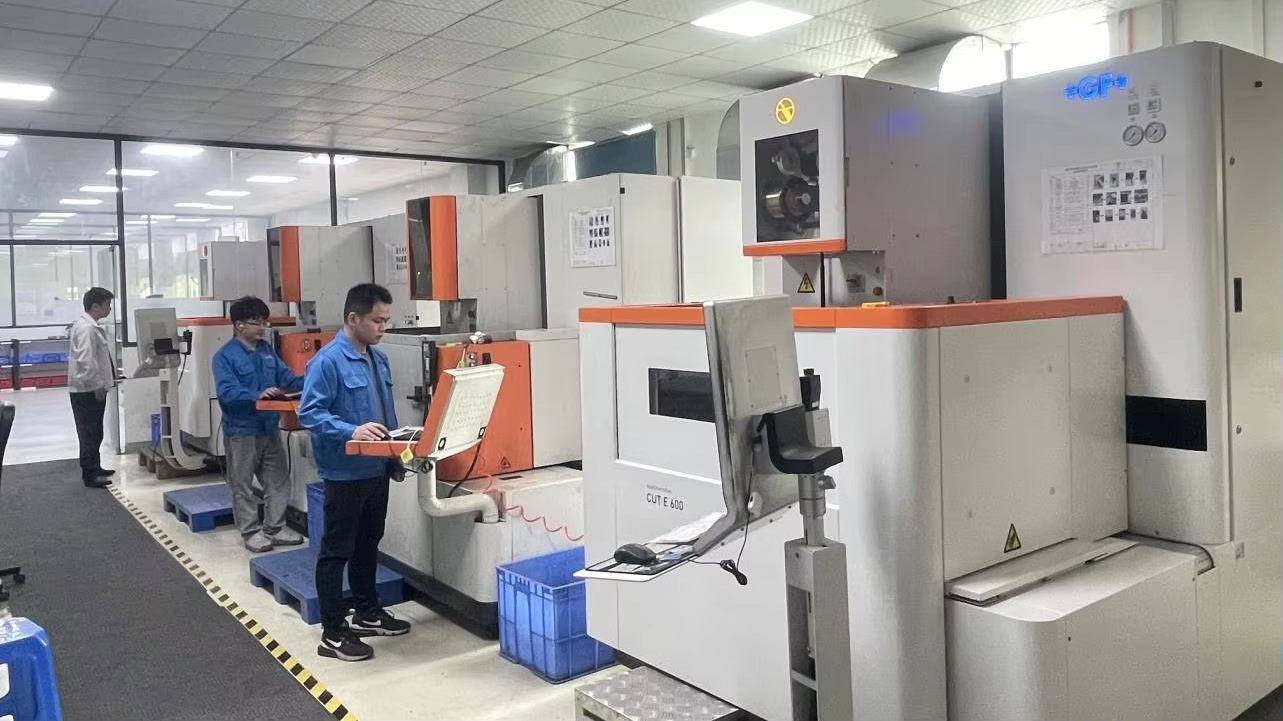
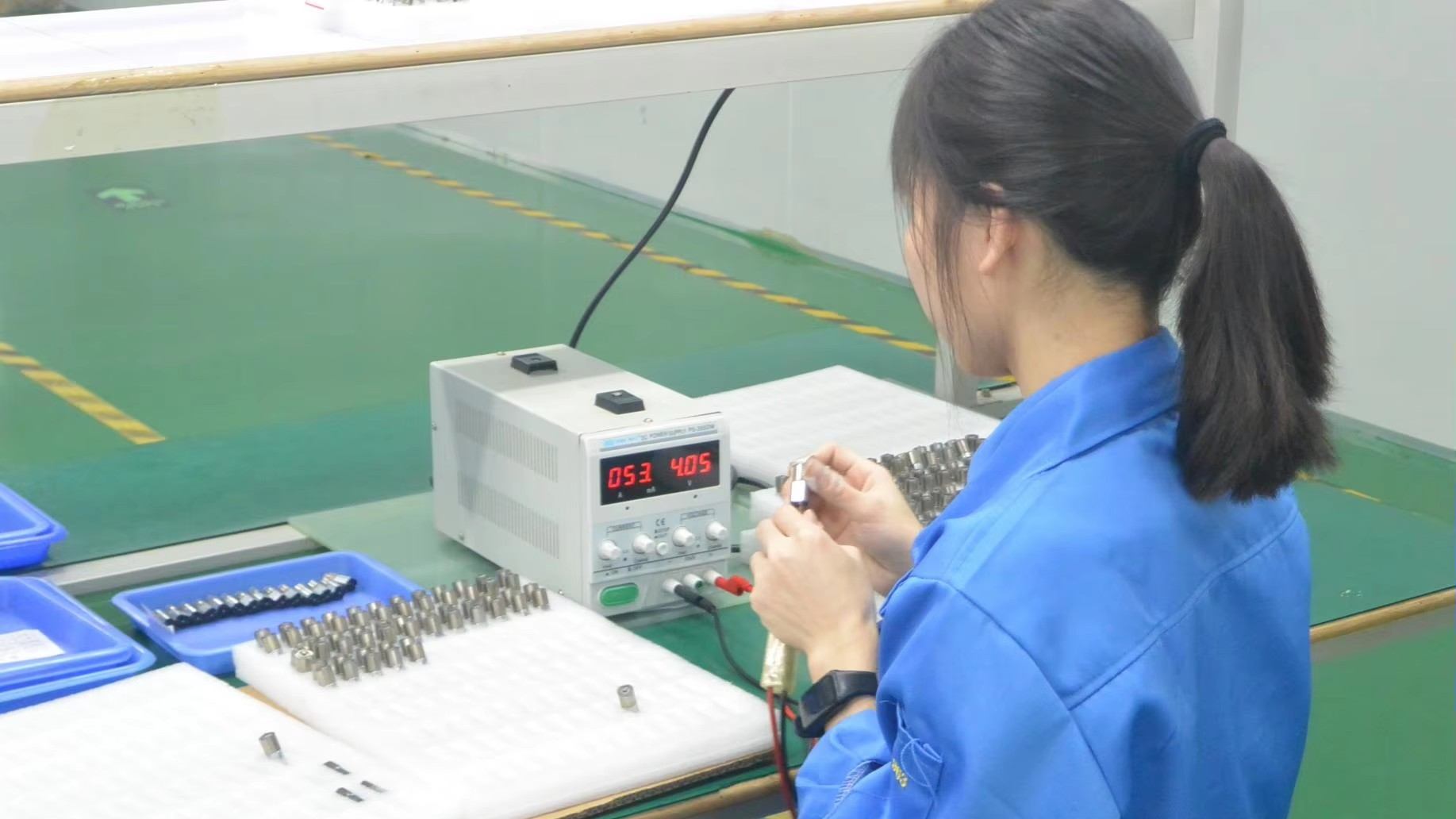
Modern automated assembly lines paired with rigorous testing ensures micrometer-level accuracy and reliability.
The global micro-gear motor market is witnessing a CAGR of over 6.5%, driven by the "Internet of Things" (IoT) and the surge in surgical robotics. However, the complexity of modern devices demands more than off-the-shelf components. Localized application requirements—ranging from noise decibel limits in European medical devices to torque density needs in North American industrial robotics—necessitate a highly flexible manufacturing partner.
China's Supply Chain Resilience: The Pearl River Delta manufacturing cluster, where Lahabra Motors is headquartered, offers an unparalleled "Ecosystem of Efficiency." This includes immediate access to specialized raw materials (POM, High-Strength Nylon, Sintered Metals) and a secondary processing network that allows for rapid scaling from a 10-unit prototype to 1-million-unit mass production without the typical logistical bottlenecks found in other regions.
As we look toward 2030, Lahabra Motors is investing in three core technological pillars:
Transitioning from traditional POM to carbon-fiber reinforced plastics and self-lubricating alloys to extend life cycles in extreme environments (-40°C to +125°C).
Integration of magnetic encoders and Brushless DC (BLDC) technology into planetary gearboxes for precise positional feedback and AI-controlled movement.
Utilizing gear tooth profile modification (crowning) to achieve "Silent-Drive" standards (<35dB), essential for high-end consumer electronics and medical pumps.
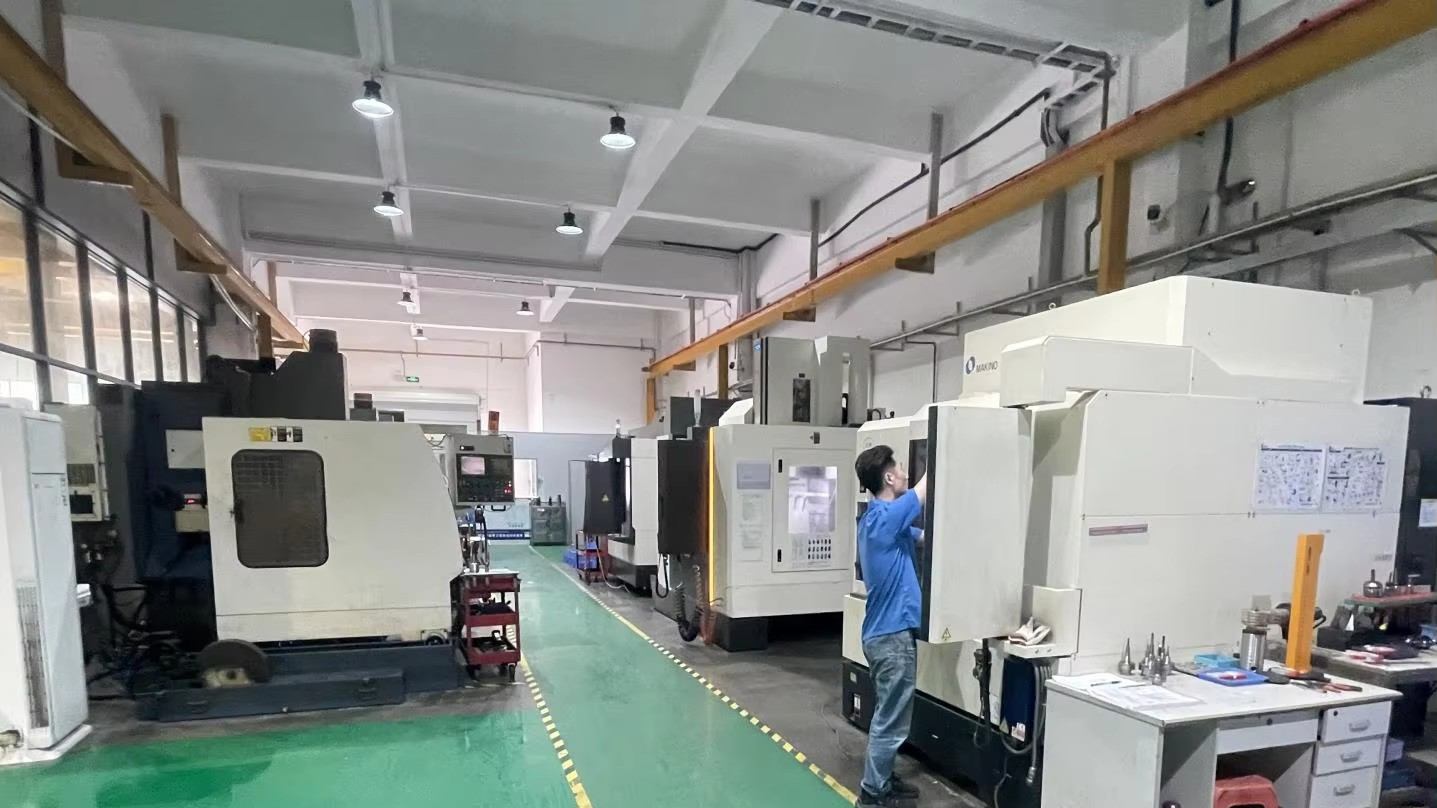
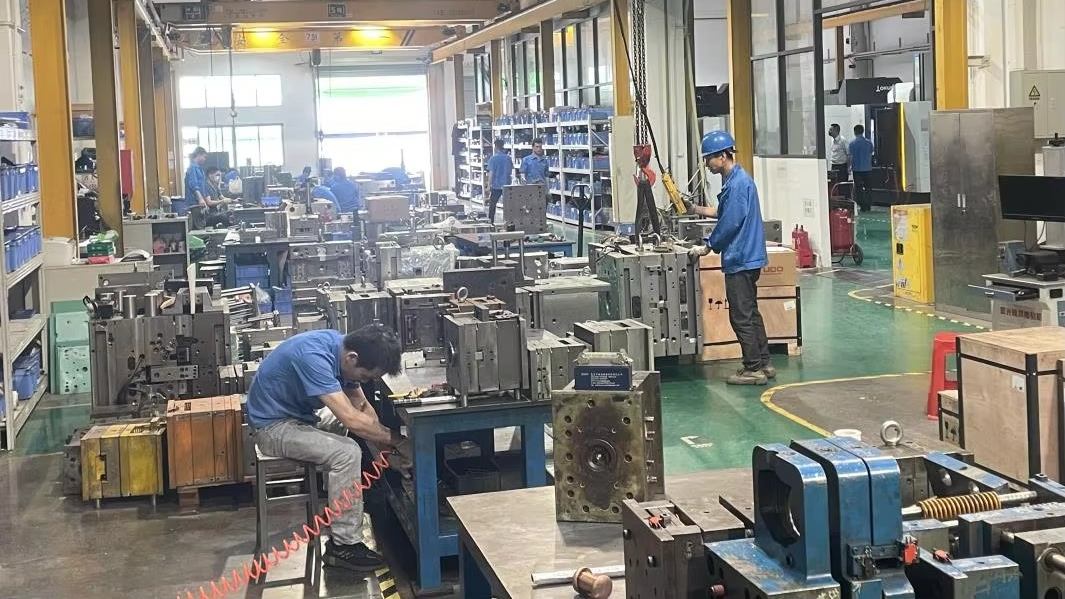
Our facility is not just a factory; it is a precision laboratory where engineering meets industrial scale. We maintain 100% control over the following processes:
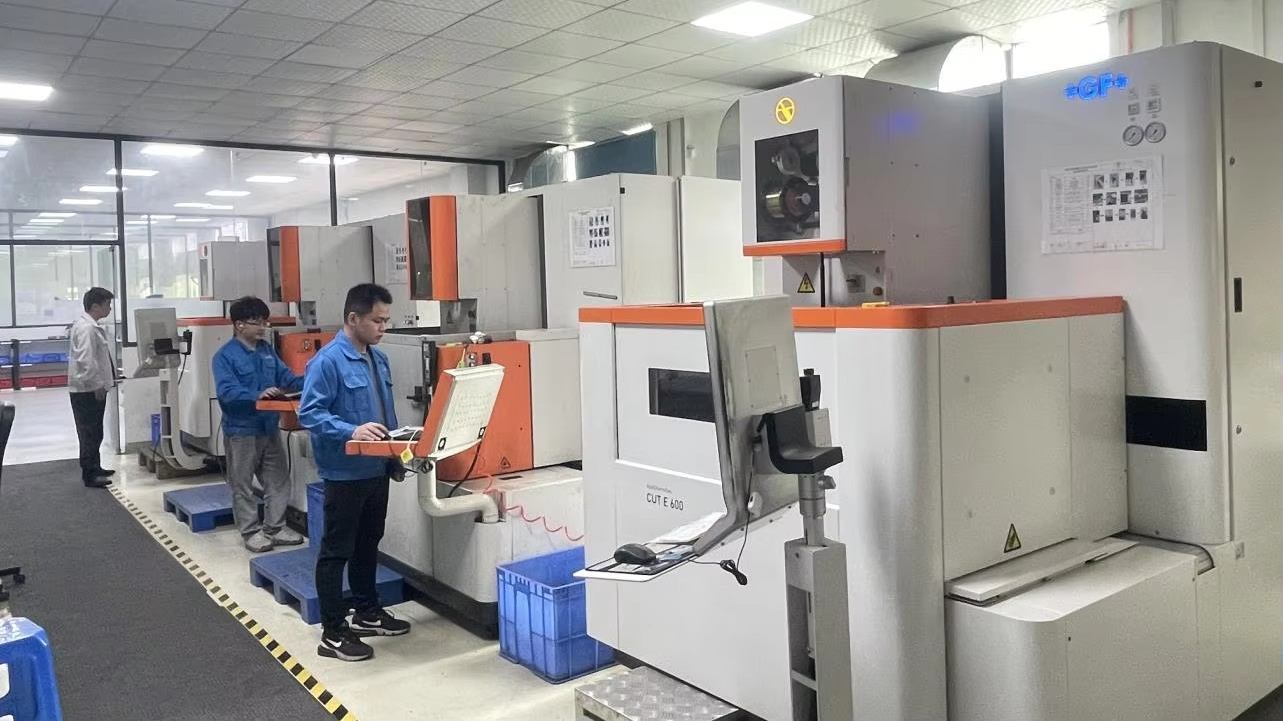
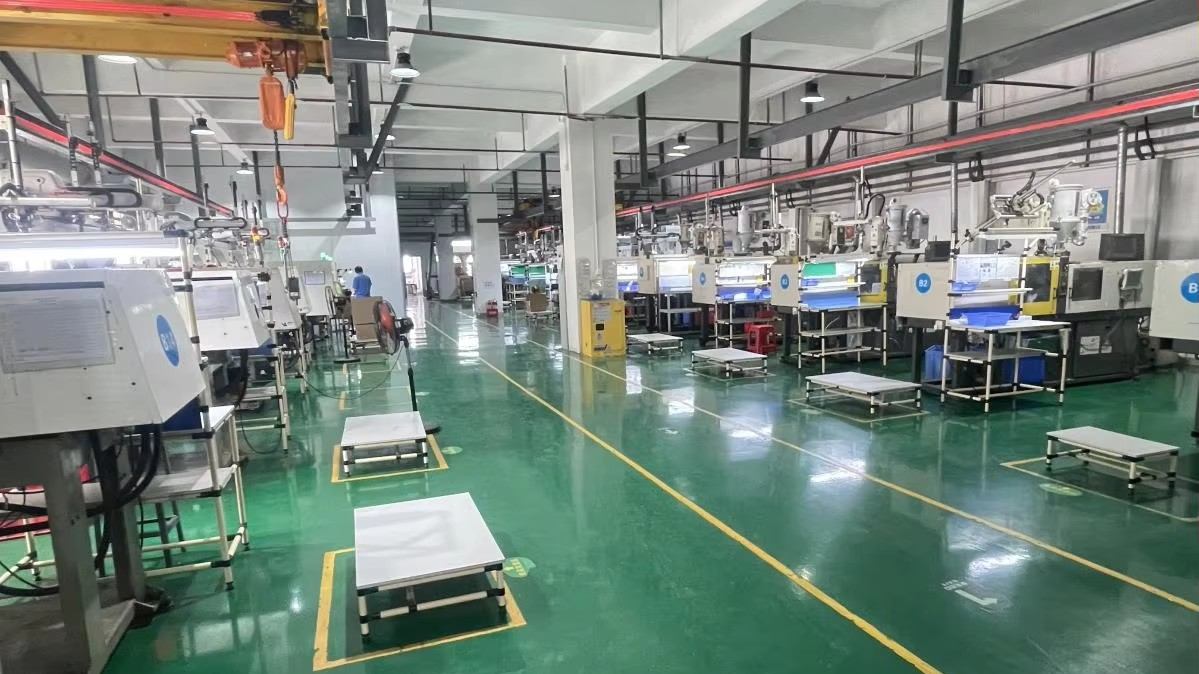
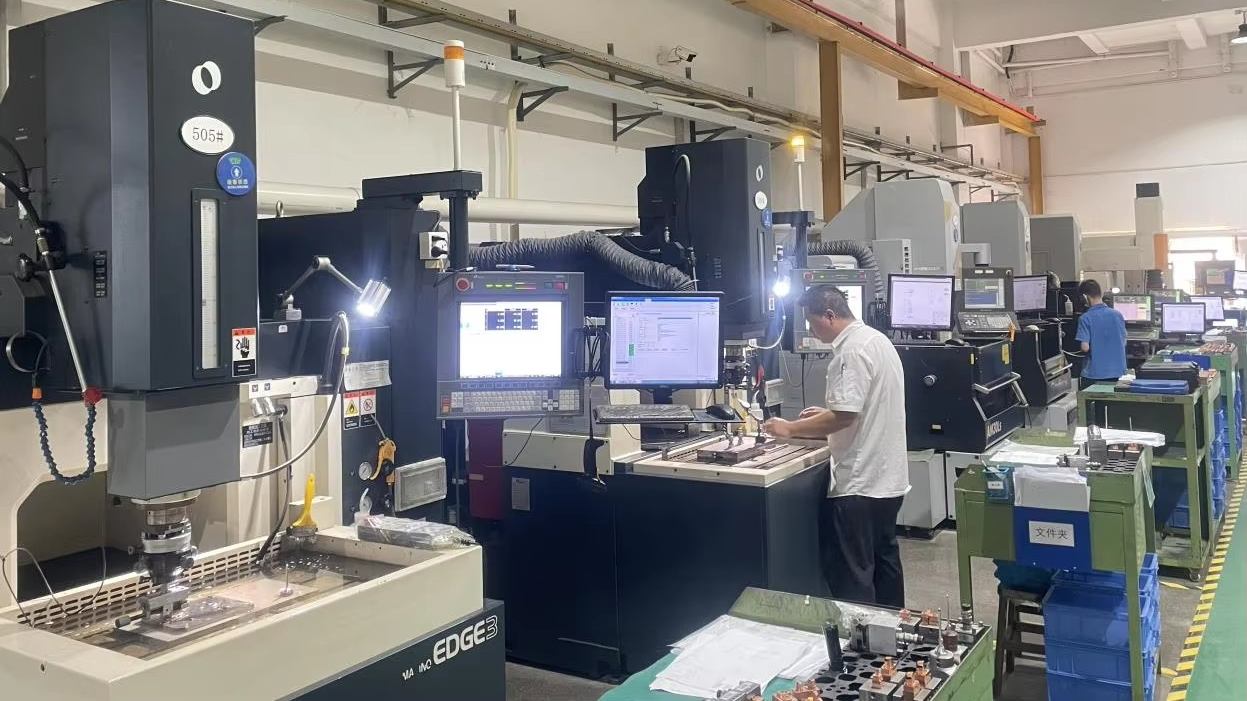
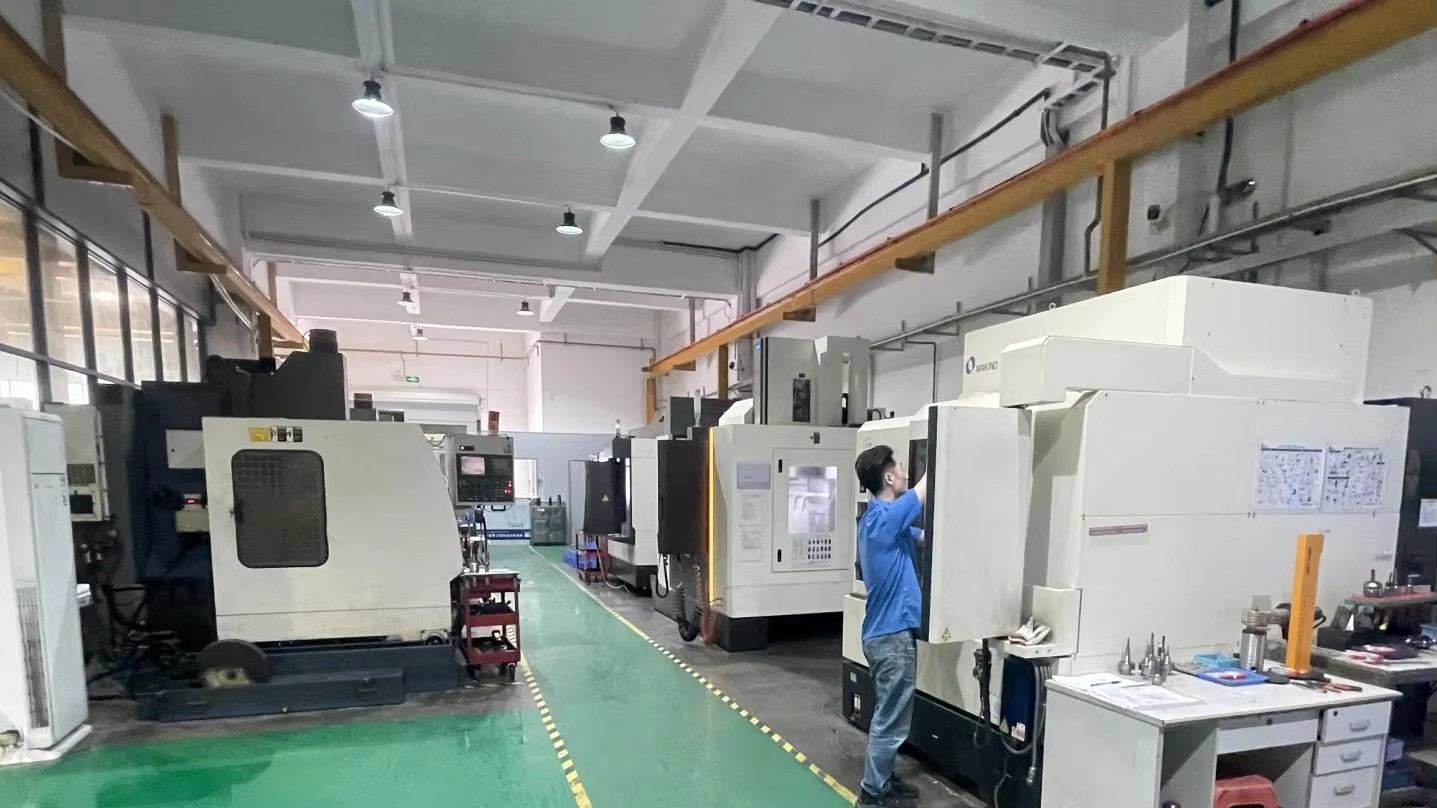
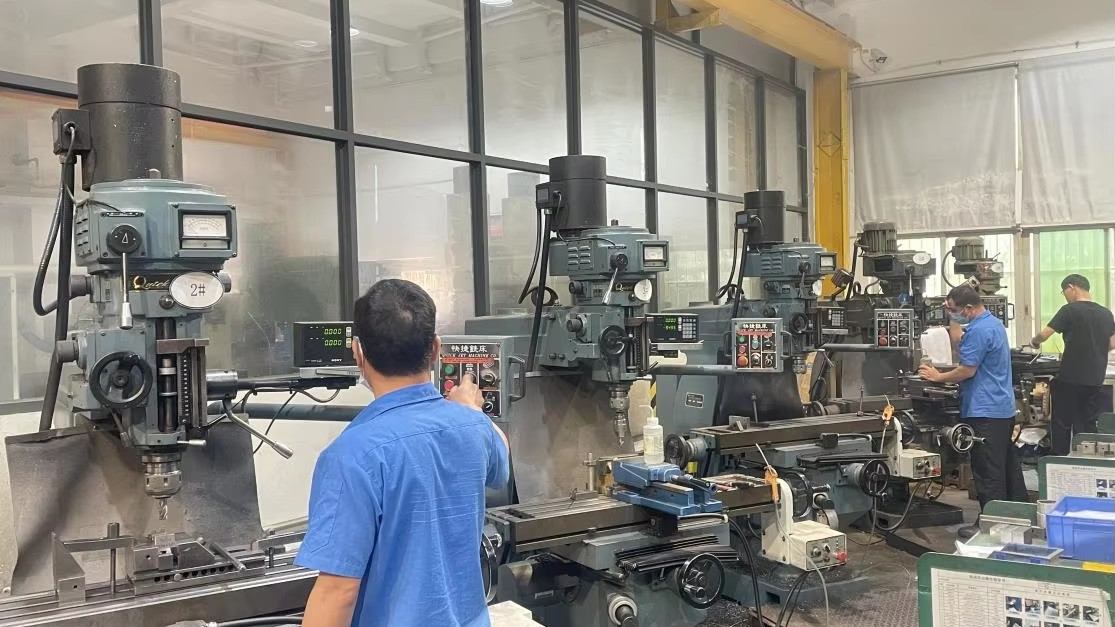
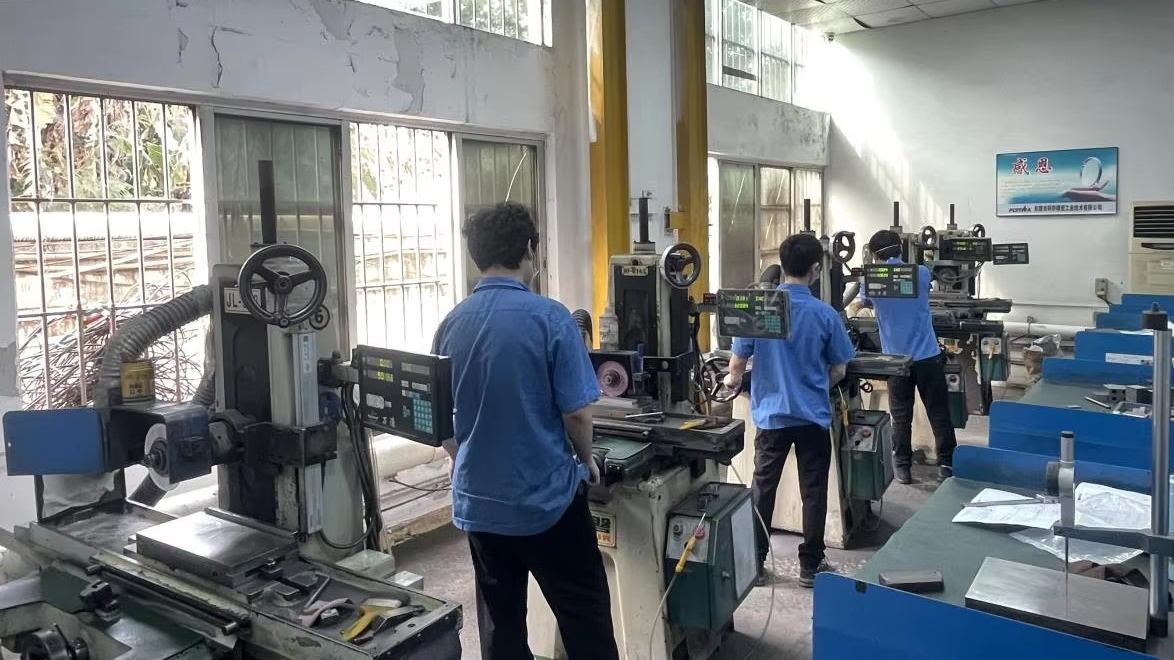
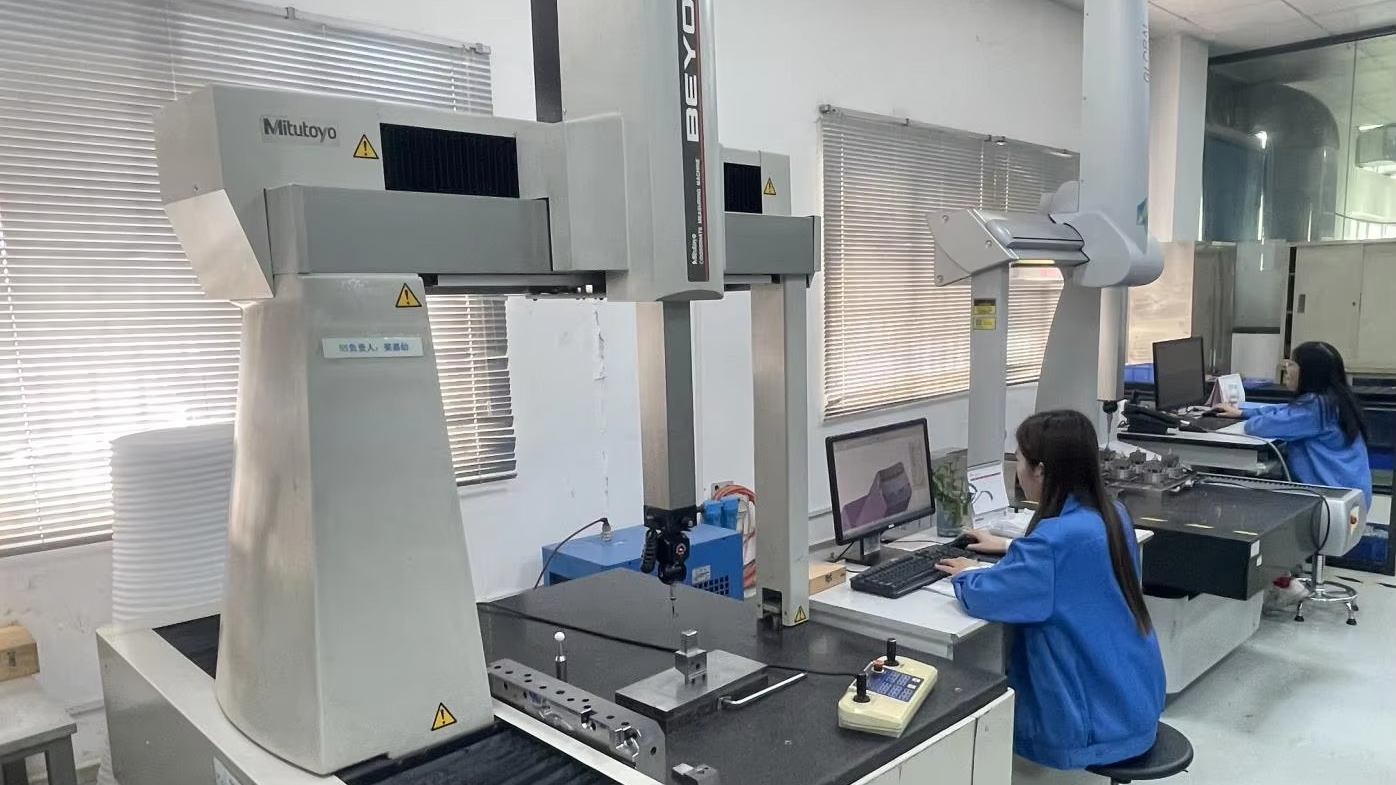
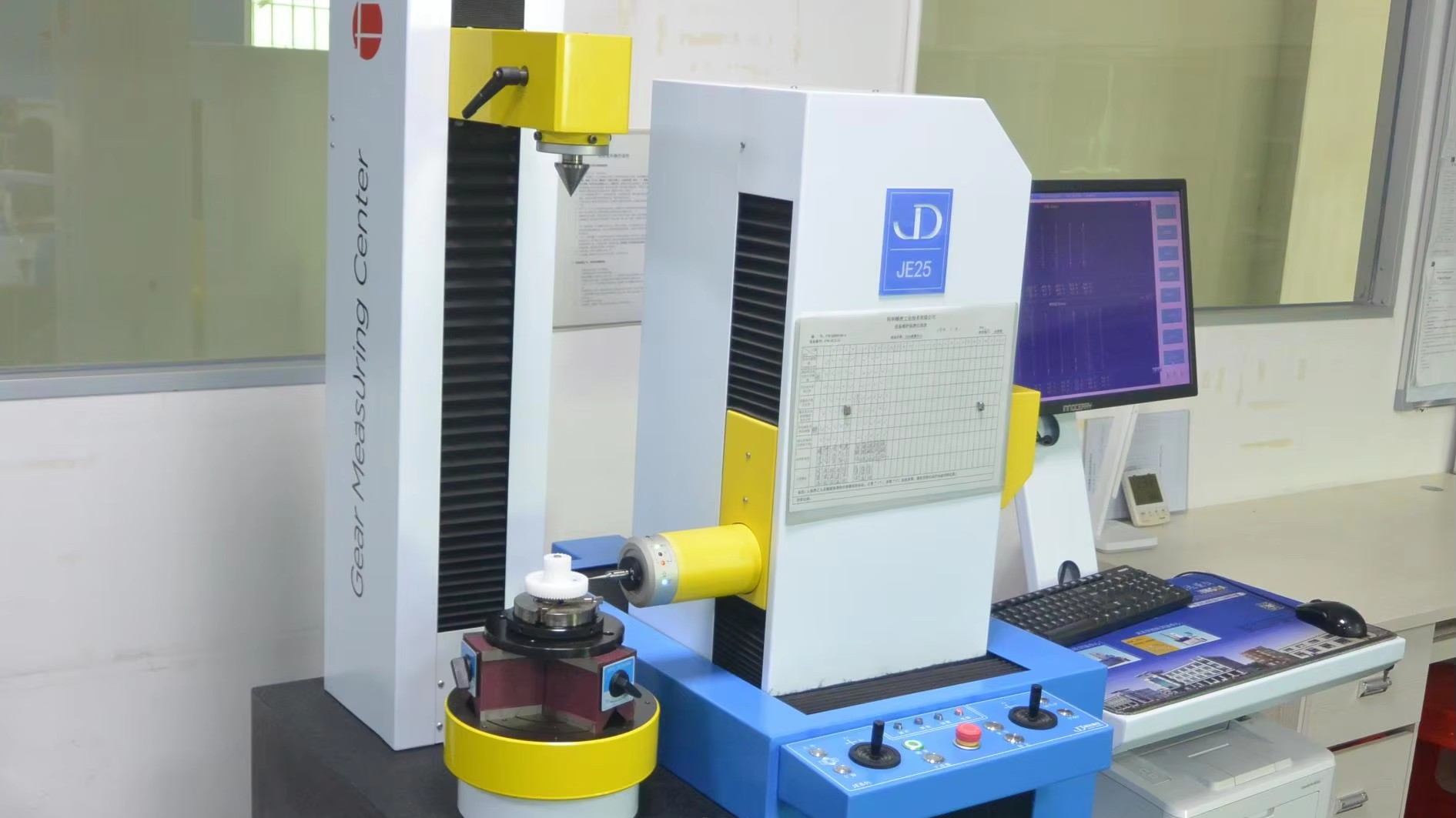
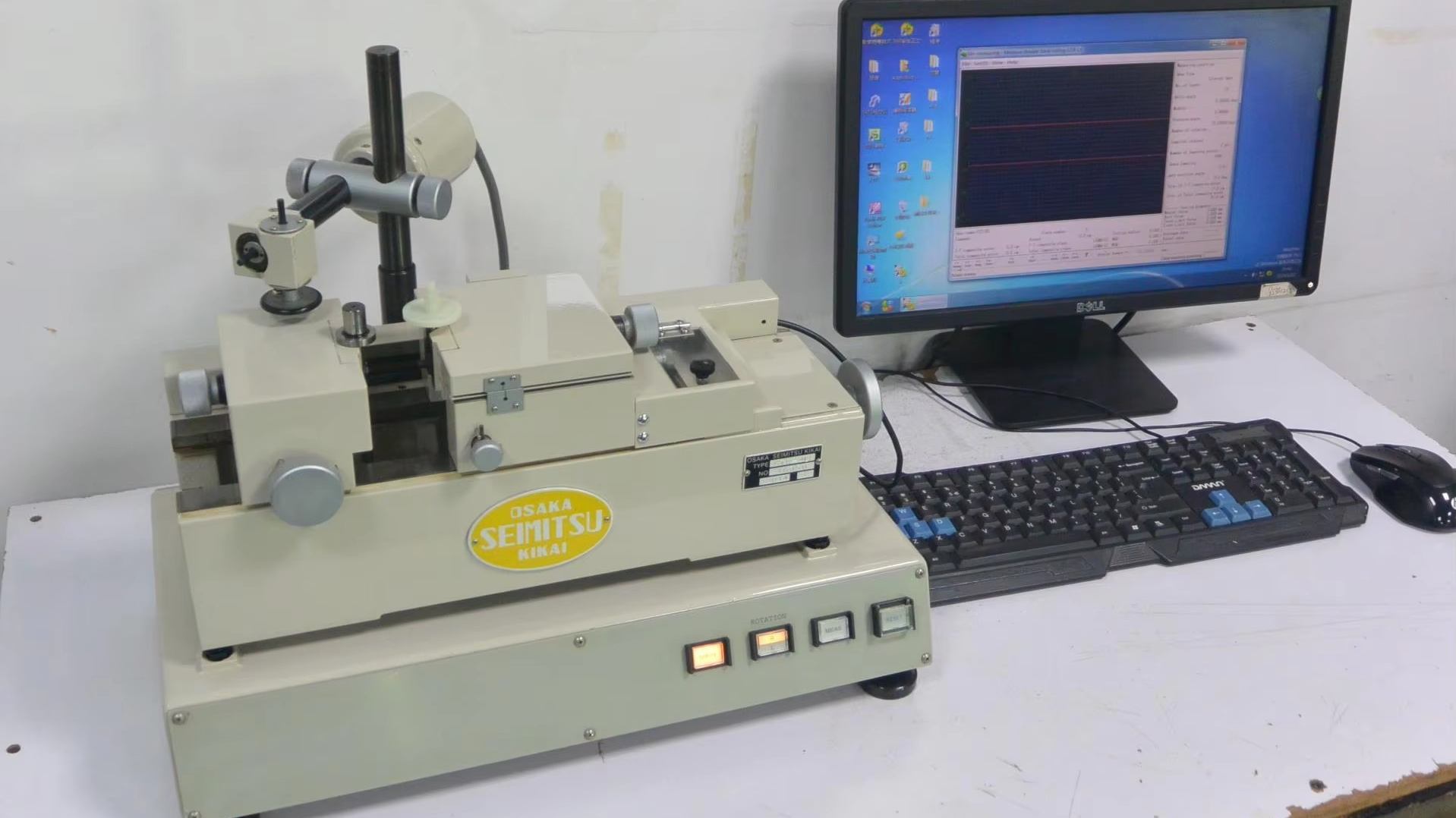
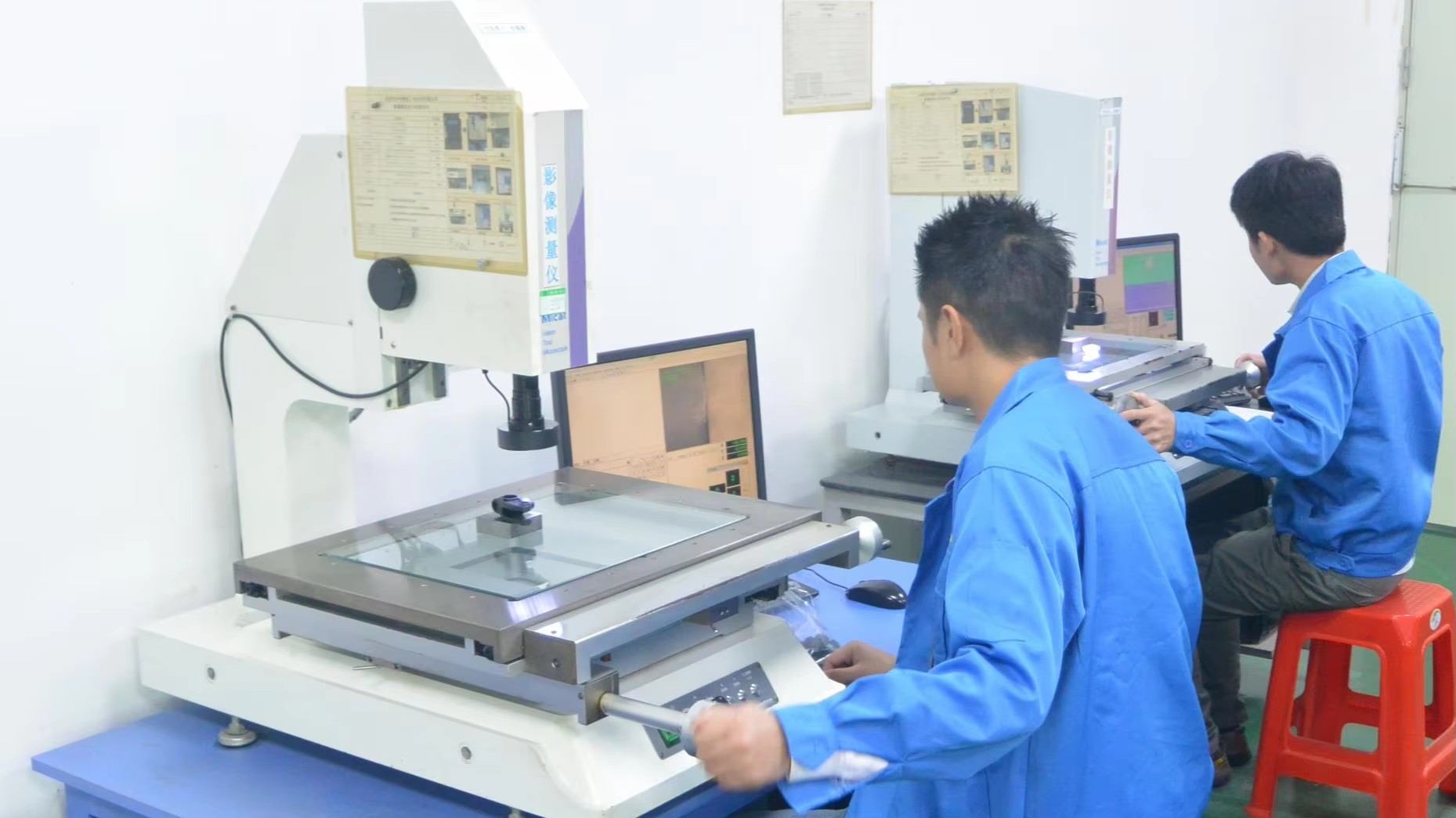
We provide dedicated English-speaking technical support and local time-zone communication for North American and European engineering teams, ensuring no detail is lost in translation during the prototyping phase.
Our products are engineered to comply with global standards including CE, RoHS, and REACH. For medical-grade applications, we offer documentation support for FDA or MDR registration requirements.
We adhere to strict ESG (Environmental, Social, and Governance) standards, ensuring that your micro-motor components are manufactured in a socially responsible facility with minimal carbon footprint.
We specialize in micro-modulus designs, reaching as low as 0.15 module. This is critical for applications like high-precision medical infusion pumps and focus-adjustable lenses where space is extremely limited.
Noise is often a result of "Gear Meshing" friction. We utilize advanced Gear Meshing Instruments and Image Measuring Instruments during QC to ensure tooth profile accuracy. We also offer material dampening options like POM/Nylon blends for "whisper-quiet" performance.
Yes. 100% of our motors can be modified. This includes D-shape, round, or cross-shafts, as well as specific voltage (1.5V to 24V), RPM, and torque profiles tailored to your gear ratio requirements.
For existing gearbox platforms with minor modifications, samples can be delivered in 7-14 days. For completely new mold designs, the cycle typically ranges from 25 to 40 days, depending on complexity.
We utilize automated assembly lines and "End-of-Line" testing rigs that check every unit for current, speed, noise, and torque before packaging. This rigorous protocol ensures that the 1,000,000th unit is as precise as the 1st.
 Lahabra Motors