Lahabra Motors
Industry White Paper: The Evolution of Variable Torque Gear Systems
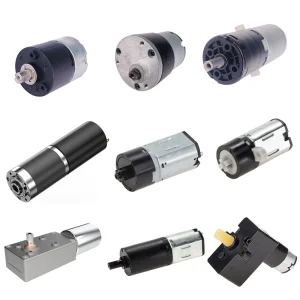
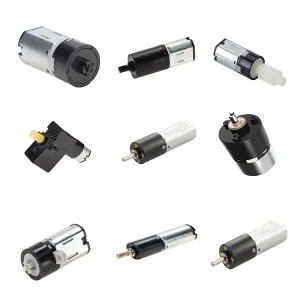
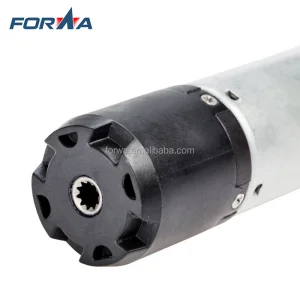
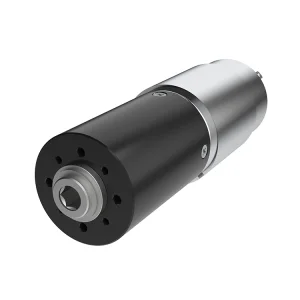
As industrial automation shifts toward Industry 4.0, the demand for CE Certified Variable Torque Gear solutions has surged globally. Unlike traditional fixed-ratio gears, variable torque systems allow for real-time adjustments to mechanical advantage. This is critical in applications like collaborative robotics (cobots), where human-machine interaction requires sensitive torque sensing and immediate feedback loops.
Global Procurement Trends
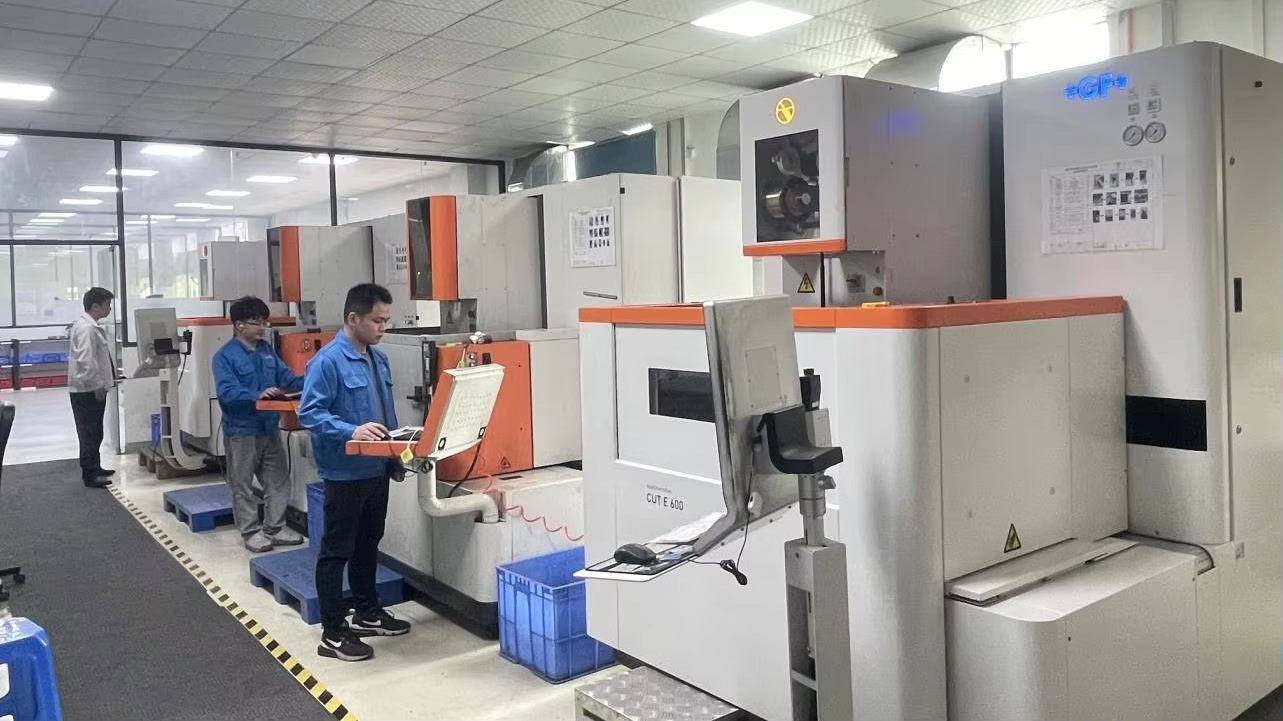
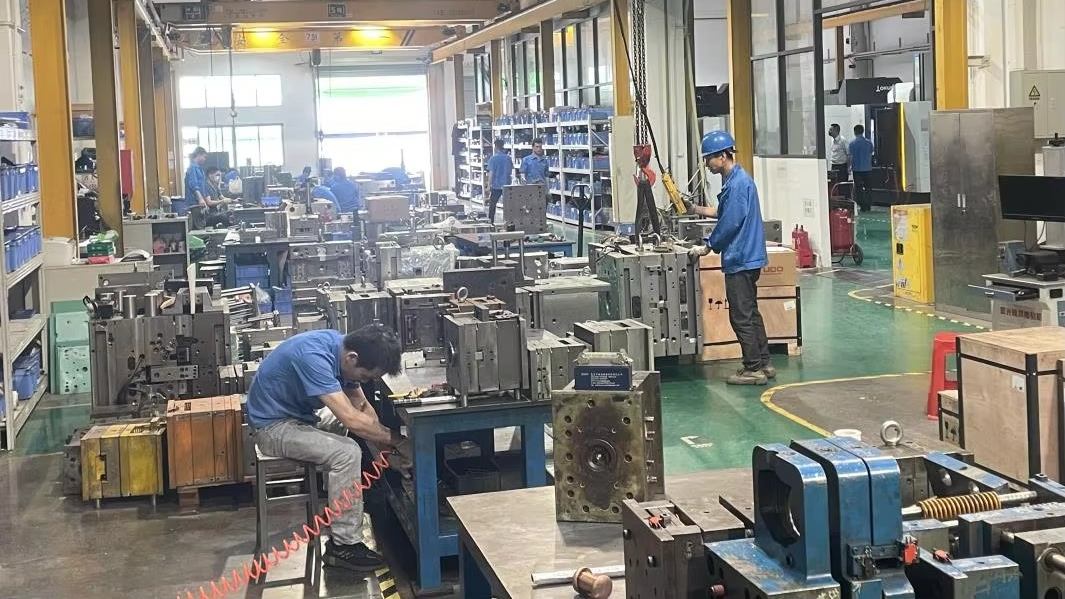
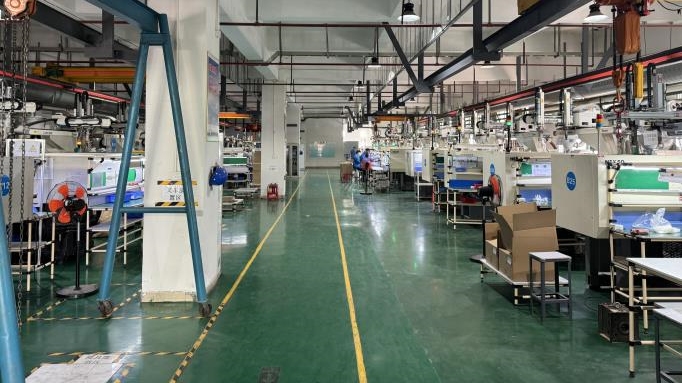
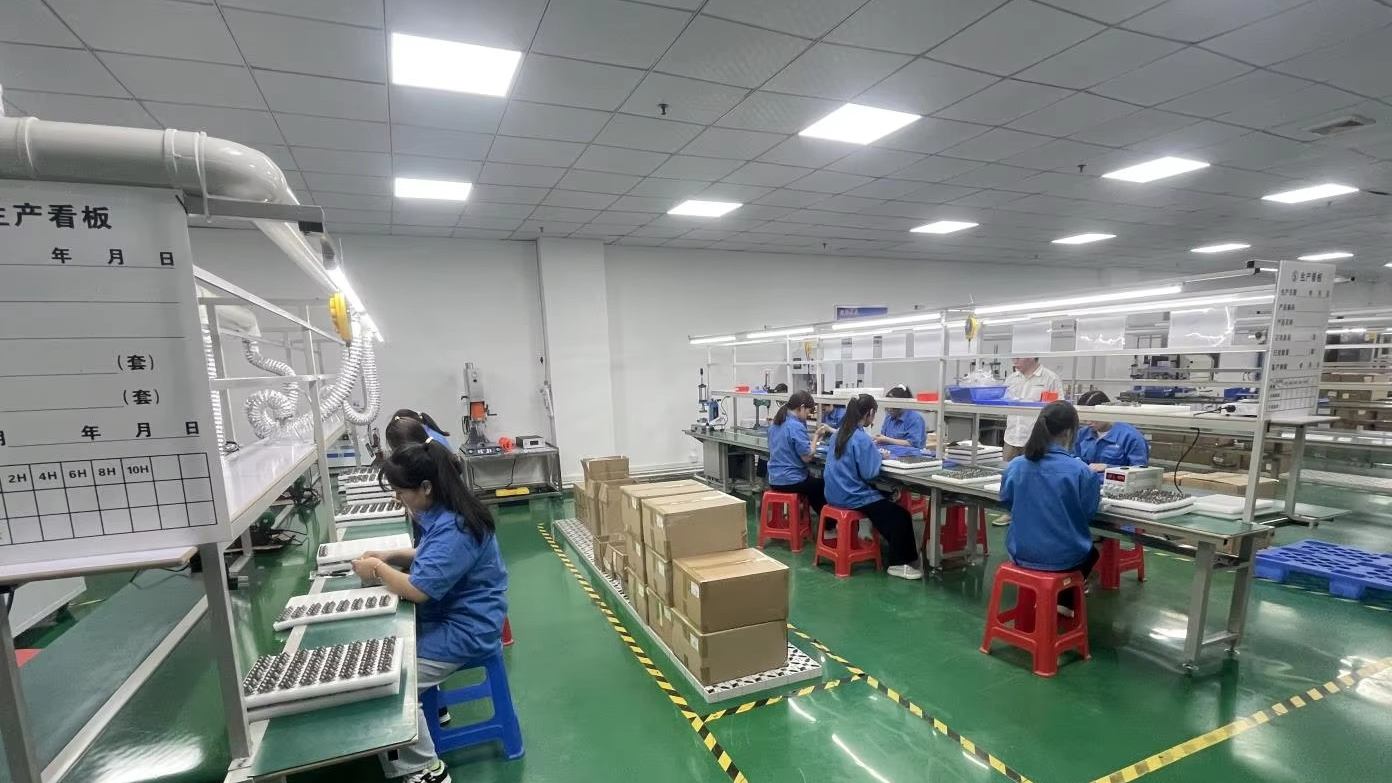
The global market for precision micro-drives is experiencing a CAGR of 6.4%. Tier-1 OEMs in North America and the EU are increasingly seeking "Direct-to-Factory" partnerships in China to stabilize their supply chains while demanding rigorous compliance with RoHS, REACH, and CE standards. Lahabra Motors Precision Industry Technology Co., Ltd. serves as this vital bridge, combining high-volume efficiency with high-precision engineering.
Variable Torque vs. Constant Torque
The primary advantage of variable torque gearing lies in its versatility. In medical devices, such as auto-adjustable chairs or surgical robots, the load varies significantly throughout the operation cycle. A variable torque system ensures the motor remains in its optimal efficiency band, reducing heat generation—a key factor in the longevity of micro-motors used in sensitive environments.
Material Science in Gearing
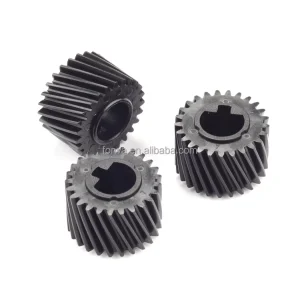
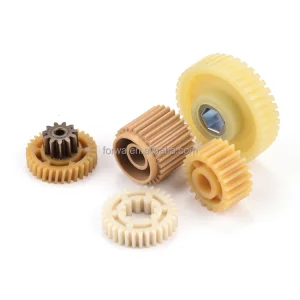
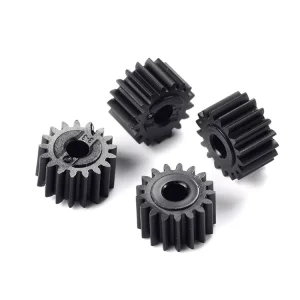
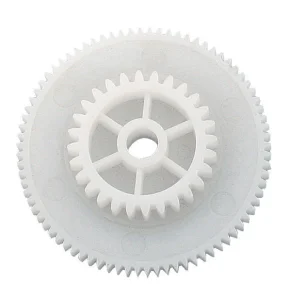
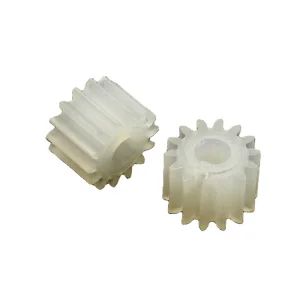
Whether utilizing high-performance polymers like POM (Polyoxymethylene) and Nylon or sintered metals, the choice of material impacts noise level and wear resistance. Our self-lubricating 14-tooth gears represent the pinnacle of material optimization, offering a zero-maintenance solution for smart home locks and UAV gimbal systems.